Whether it be from atop an Olympic podium, on a schoolyard, or in a cramped gym, we’ve learned what it means to be part of something bigger than ourselves. Different generations, different arenas, different paths, but the same foundational experience: sports changed the course of our lives.
Sports taught us discipline, resilience, teamwork, and belief. None of that happened by accident. It happened because someone invested in programs, facilities, and coaches that were available regardless of what our families could afford.
That level of investment is no longer consistent, and New York’s children are paying the price.
Ask most New Yorkers what they picture when they hear “youth sports,” and they imagine something wholesome and accessible: a Saturday morning game, a coach who volunteers their time, kids learning to win with good sportsmanship and lose with grace. What many do not see is a $40 billion private industry that increasingly relies on pay-to-play travel circuits and elite academies that price out working families and push early specialization at the expense of child development.
The gap between perception and reality is fueling a quiet crisis. A crisis we, as leaders in the Legislature and in sports advocacy, respectively, are actively working to address.
The cost of youth sports has risen 46 percent since 2019, and the average family now spends more than $1,000 annually on a single child’s primary sport.
Travel team participation can cost many thousands more. At the same time, the free and low-cost community programs that once served as every child’s entry point into sport have eroded as public investment has declined.
The result is a play equity gap that closely mirrors income inequality. Only 34 percent of children from the lowest income families participate in organized sports, compared to nearly 68 percent from the highest income households, according to the National Survey of Children’s Health.
That disparity is not accidental. It is what happens when youth sports is treated as a marketplace rather than a public good.
The consequences extend far beyond the playing field. Research consistently shows that young people who participate in well structured sports programs experience improved physical health, stronger mental wellbeing, better academic engagement, and deeper social connection.
Youth are less likely to experience depression and anxiety and more likely to develop leadership and teamwork skills that carry into adulthood. The benefits have profound implications for our fiscal health as well. Researchers estimate that reaching the federal goal of 63 percent youth sports participation by 2030 could generate tens of billions of dollars in economic benefits through reduced medical costs and increased productivity.
Understanding the benefits of youth sports, Senator Bailey secured $10 million annually in critical capital funding for youth sports teams, and Governor Hochul has included $7.5 million for youth sports programmatic expenses in her FY 26-27 Executive Budget proposal bringing the total expense funding for youth sports to $12.5 million. However, this funding is not permanent and funding alone cannot address the broader issue of sports equity. Long-term investments and structural support is needed.
Senate Bill S5640D (Bailey)/A8167B (Wright) would make the Governor’s investments permanent and would bring the State Legislature’s total annual investment in youth sports to $23 million. The legislation would also provide critical support to smaller youth sports nonprofits in New York City by allowing a nonprofit intermediary to provide capacity-building services and accelerate the reimbursement process.
Across the nation, organizations like Laureus Sport for Good USA have demonstrated what happens when youth sports are treated as a vehicle for development. New York has the opportunity to build a similarly durable framework. These invaluable programs can continue to make measurable improvements in social emotional skills, academic engagement, and community connection for young people in underserved neighborhoods. We have the tools, now we just need long-term funding to give the next generation access to the same experiences we had as young people.
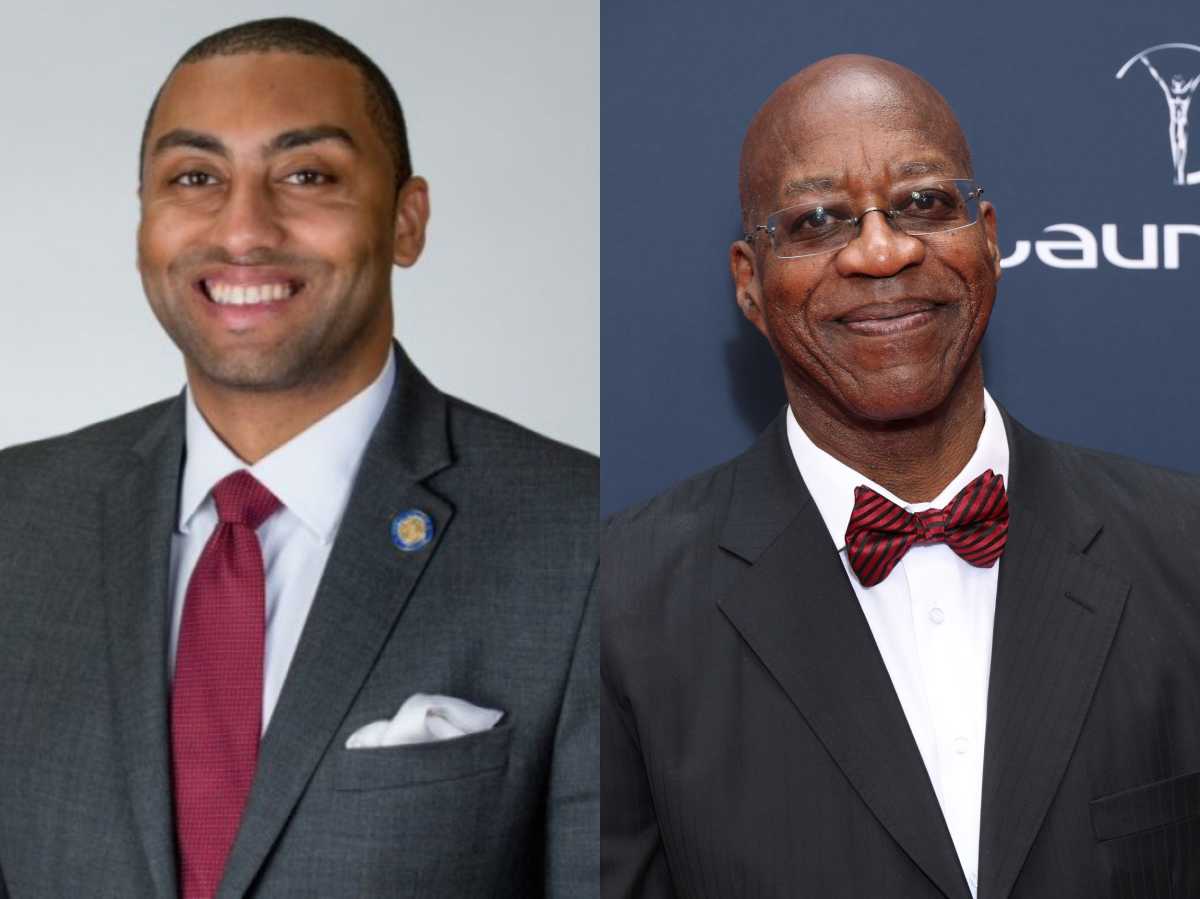
Edwin Moses is a two time Olympic gold medalist and Chair of the Board of Directors for Laureus Sport for Good USA. Senator Jamaal Bailey represents the 36th Senate District and is the Senate sponsor of S5640D.