New York’s legal system is in crisis, and the state’s automobile accident laws are a significant part of the problem. The unnecessary litigation they fuel siphons limited judicial resources away from families and tenants who depend on timely access to justice.
New York’s No-Fault and liability systems were originally designed to speed compensation for injured drivers and keep minor claims out of court. Instead, they have evolved into engines of excessive litigation that encourage abuse, invite fraud, clog our already overburdened courts, and drive-up insurance premiums. Judicial resources are consumed by questionable cases so that attorneys and litigation funders can profit—while matters involving family stability and housing security wait months or even years for resolution.
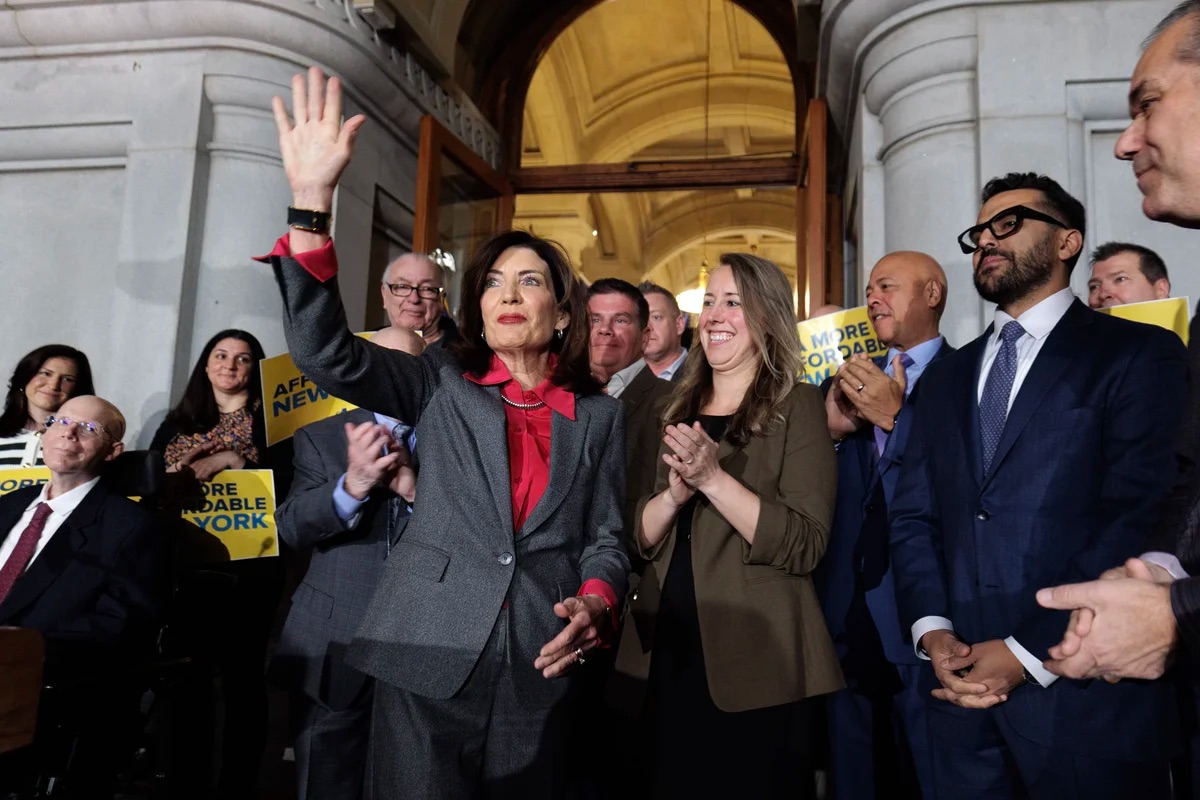
Governor Kathy Hochul has proposed long-overdue reforms to address this imbalance. These commonsense measures are supported by the Defense Association of New York (DANY), a bar association of attorneys who routinely defend automobile accident cases. Reform deserves the backing of all New Yorkers who care about fairness, affordability, and access to justice.
Opposition to reform is led largely by plaintiff attorneys and litigation funders who provide generous campaign contributions in Albany and benefit directly from the system’s excesses. They claim these reforms will strip injured people of their rights. That argument is simply wrong. Legitimately injured individuals will continue to receive full compensation for economic damages such as medical expenses and lost wages. What will change is the ability to exploit the system for disproportionate pain and suffering awards untethered from fault or responsibility.
Governor Hochul’s proposals restore fairness and proportionality. Individuals who are primarily responsible for an accident would no longer collect pain and suffering damages. Those damages would be capped for individuals who were uninsured, impaired, or committing a crime at the time of the accident. Joint and several liability would be limited so that minimally responsible defendants are not forced to shoulder massive jury awards. These are not radical ideas—they reflect common sense notions of accountability.
The current system permits claims that defy both logic and basic responsibility. In Gutierrez v. Kaiyoum, dashcam footage showed a defendant lawfully entering an intersection on a green light, only to be struck by a plaintiff who ran a red light. Despite clear evidence, the plaintiff sued for pain and suffering. In Wilson v. City of New York, a plaintiff riding in an ambulance was injured when it struck a stopped vehicle at a red light—and then sued the entirely innocent driver of that vehicle for pain and suffering. These are not anomalies; they are symptoms of systemic dysfunction.
Every inflated or meritless motor vehicle claim consumes judges’ time, court staff, and precious courtroom space. The cost is paid elsewhere—most acutely in Family Court and Housing Court. There, vulnerable New Yorkers wait months or years for decisions that determine whether families stay together or remain housed. Chief Judge Rowan Wilson has repeatedly warned that these courts are stretched beyond capacity, and lawmakers themselves have acknowledged the crisis. Families and children bear the consequences of delay.
Redirecting judicial resources away from abusive auto litigation is not only fiscally prudent—it is morally imperative. DANY members may earn less by no longer litigating these cases, but reform is the right thing to do.
By contrast, many opponents of reform have little interest in improving New York for everyone. Their resistance reflects a desire to preserve lucrative contingency fees by maintaining incentives that encourage abuse, staged accidents, and suspect lawsuits. New Yorkers pay the price through higher insurance premiums and increased costs for goods and services—all to bankroll an industry built on billboards and ads urging people to sue.
Governor Hochul’s proposals will not solve every challenge facing our courts or erase the affordability crisis. But they are an essential first step. Albany should not be swayed by those who profit from unfair laws at the expense of New York’s families, tenants, and broader economy.
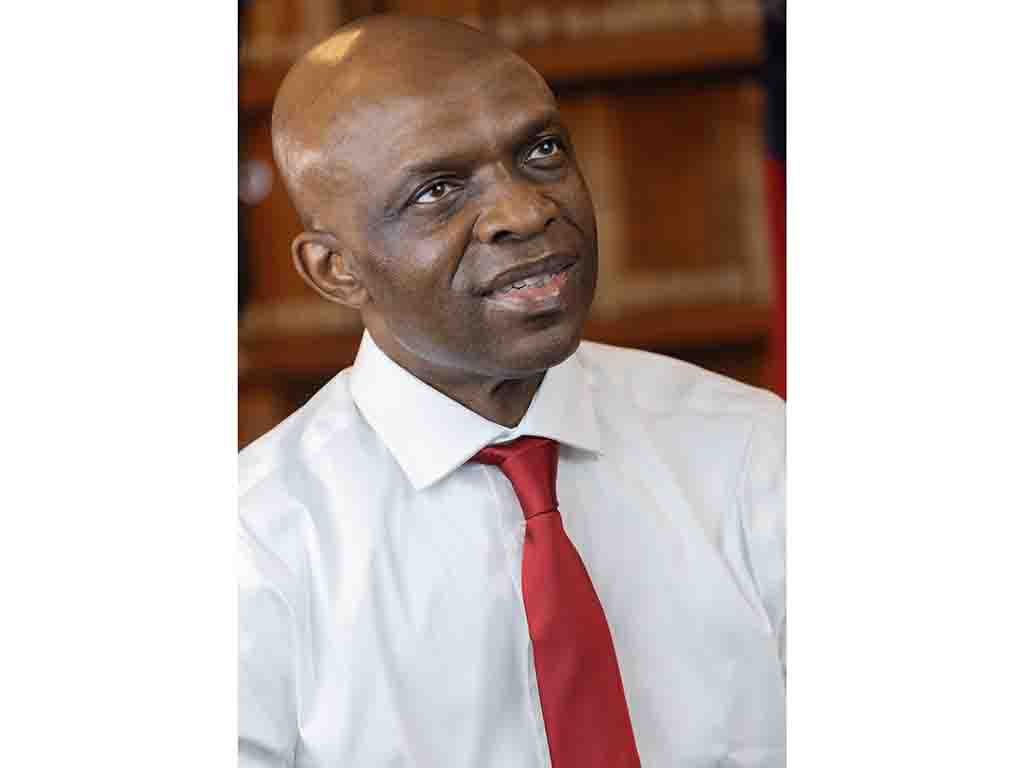
Steven R. Dyki is President at the Defense Association of New York.