Mercedes Narcisse- NYC Council

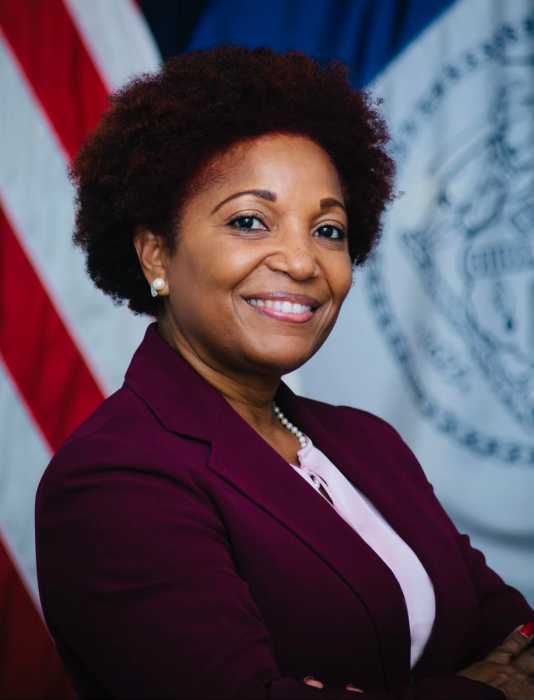
Mercedes Narcisse

Council Member, New York City Council | Chair, New York City Council Committee on Hospitals

Mercedes Narcisse- NYC Council

Council Member Mercedes Narcisse proudly represents Brooklyn’s 46th District. As chair of the Council’s Committee on Hospitals, she champions equitable access to care and fights for resources that uplift working families, seniors, and the next generation of New Yorkers.

What piece of health care related legislation would you like to see passed in the near future?
I like to continue to see legislation that expands access to community-based mental health services, especially for young people and seniors. Too many families are navigating trauma and anxiety without affordable or nearby options for care. Strengthening the mental health safety net through school-based programs, crisis response teams, and community clinics would save lives and promote long-term wellness.

How do you expect the health care field to change in the next five years?
I expect health care to become more technology-driven, but also more focused on equity. Telehealth and data analytics will keep transforming care delivery, but we must be very intentional in our efforts to ensure these innovations reach underserved communities. Real progress means pairing innovation with compassion, investing in safety-net hospitals, community clinics, and culturally competent care that leaves no one behind.

As this year comes to an end, what are your goals for 2026?
My goal for 2026 is to continue my work to build stronger partnerships between policymakers, hospital leaders, and frontline workers to improve patient outcomes citywide. I want to see measurable progress in maternal health, workforce stability, and safety-net hospital funding. Collaboration must drive reform, from hospitals to classrooms, because health care begins within our neighborhoods and expands outward.
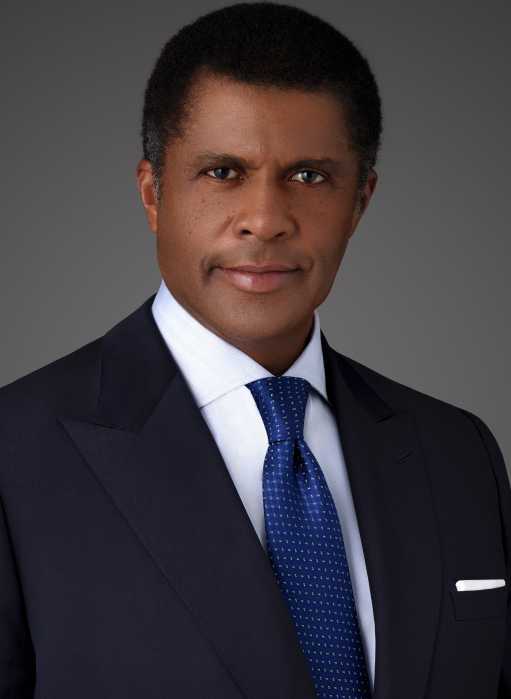
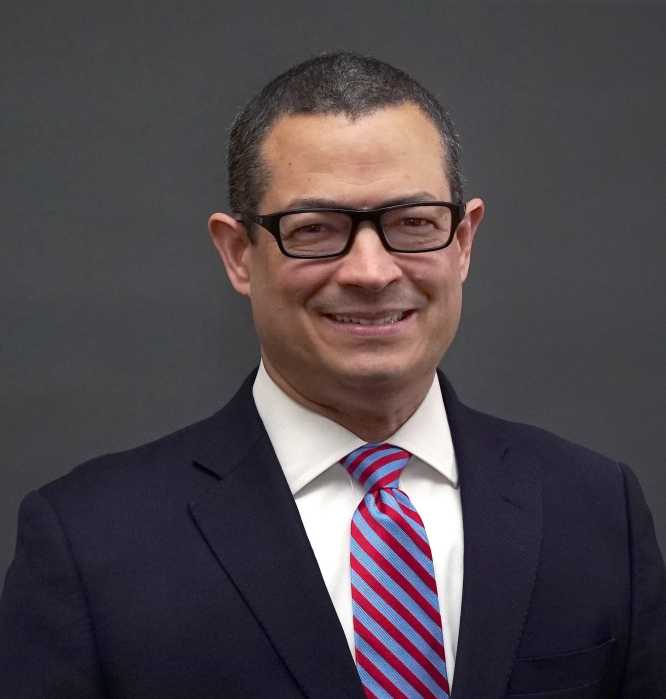
Philip Ozuah- Montefiore

Philip Ozuah

President and CEO, Montefiore Einstein

Philip Ozuah- Montefiore

Dr. Ozuah is the president and CEO of Montefiore Einstein, the umbrella organization for the Albert Einstein College of Medicine, and Montefiore Health System’s 13-member hospitals, 300 ambulatory sites, and 7.5 million patient encounters per year. A nationally recognized physician, leader, executive, researcher, teacher and author, Dr. Ozuah leads an organization with 10,000 physicians and 53,000 employees serving a diverse group of patients.

What piece of health care related legislation would you like to see passed in the near future?
We have always been strong proponents of legislation that increases access to quality health care and addresses the ever-growing economic pressures hospitals must endure to keep their doors open. Montefiore Einstein will continue to engage with lawmakers to help inform legislative discussions surrounding health care.

How do you expect the health care field to change in the next five years?
Modernization and efficiency are going to be key for health care providers to ensure long-term stability and sustainability. We recently opened a state-of-the-art Command Center in Westchester, providing a solution for physicians to transfer patients into our system and move patients within our system to a higher level of care. After recently signing an agreement with Amazon’s One Medical, we opened the doors to our first collocated site within 82 days.

As this year comes to an end, what are your goals for 2026?
We want to continue strengthening and expanding our clinical services, and broadening access to specialty care across the communities we serve. We will continue to educate and empower our communities. We will push to break last year’s record by distributing more than 100,000 pounds of fresh produce to those who need it, by donating more than 10,000 school kits to children so they have all the supplies they need to learn.

José A. Pagán- NYC Health + Hospitals

José A. Pagán

Chair of the Board, NYC Health + Hospitals

José A. Pagán- NYC Health + Hospitals

José A. Pagán, Ph.D., is professor and chair of public health policy and management at NYU’s College of Global Public Health and adjunct senior fellow at UPenn’s Leonard Davis Institute. A health economist, he leads research on health care delivery redesign, payment reform, and population health. He chairs the Robert Wood Johnson Foundation’s Health Policy Research Scholars Committee and serves on the National Academies’ Committee on Clinician Well-Being.

Daniel Pichinson- Ryan Health

Daniel Pichinson

President and CEO, Ryan Health

Daniel Pichinson- Ryan Health

Daniel Pichinson, MBA, serves as president and CEO of Ryan Health, a nonprofit community health center with 13 locations stretching from Washington Heights to the Lower East Side. Dan possesses three decades of experience in health care focused on increasing access to care for vulnerable New Yorkers. He has held this role since January 2024. A central focus of Dan’s tenure as CEO has been addressing the social drivers of health that lead to health disparities.

What piece of health care related legislation would you like to see passed in the near future?
I urge the Governor and legislature to enact in next year’s budget legislation an investment of $300 million in Community Health Centers (CHCs) to address decades of underfunding in CHCs. Updating the outdated CHC rate-setting methodology – using 2023/2024 costs, instead of 1999 costs in the current model – would ensure fair reimbursement and protect access to care for hundreds of thousands of New Yorkers who rely on CHCs as their primary care safety net.

How do you expect the health care field to change in the next five years?
Over the next five years, there ought to be a stronger shift toward primary and preventive care, recognizing that investing upfront saves significant costs compared to emergency or hospital settings. As community health centers, we must continue to prioritize addressing social drivers of health – such as housing, nutrition, and food-as-medicine programs – to improve outcomes. This approach reflects a broader understanding that sustainable health care depends on treating both medical and social needs together.

As this year comes to an end, what are your goals for 2026?
In 2026, our goal is to advance Ryan Health’s mission by reaching more neighborhoods that face barriers to care, working to connect the most vulnerable New Yorkers to high-quality, compassionate services. We aim to improve overall community wellness by meeting patients where they are. Equally important, we will continue to support and invest in our dedicated workforce, recognizing that their commitment and expertise drive our success in delivering outstanding patient-centered care.

Dawn Pinnock- Center for Urban Community Services

Dawn Pinnock

President and CEO, Center for Urban Community Services

Dawn Pinnock- Center for Urban Community Services

Dawn Pinnock brings nearly 30 years of public service experience to her role as president and CEO of the Center for Urban Community Services, where she leads efforts supporting over 50,000 New Yorkers annually toward housing stability and well-being. Previously NYC commissioner of citywide administrative services, she advanced policies for 320,000+ employees and managed 22 million square feet of city property. Pinnock serves on multiple boards, including the Mayor’s Fund to Advance New York City.

What piece of health care related legislation would you like to see passed in the near future?
Rather than new legislation, what concerns me most are potential policy rollbacks like Medicaid cuts, new work requirements, or reduced funding for Housing First and harm reduction programs. These measures would make care harder to access and more expensive for everyone. When fewer people are insured or housed, health crises rise and costs shift to emergency systems. Protecting and expanding coverage and evidence-based housing programs is essential to keeping New Yorkers healthy and stable.

How do you expect the health care field to change in the next five years?
Over the next five years, we’ll see major progress in how New York City serves people experiencing homelessness with complex medical and behavioral health needs. The growing focus on high-acuity populations will introduce new standards and staffing models, like requiring on-site psychiatry in supportive housing, to better meet residents’ needs. These changes will strengthen coordination across housing, health, and social services, leading to more stable outcomes for New Yorkers most at risk.

As this year comes to an end, what are your goals for 2026?
In 2026, our goals are to deepen the connection between housing and health by integrating on-site Occupational Therapy across CUCS supportive housing programs, helping residents strengthen daily living skills and independence. We also aim to elevate Janian Medical Care’s visibility through journal publications and conference presentations, sharing data and best practices that demonstrate how integrated, community-based health care can transform outcomes for people experiencing homelessness or behavioral health challenges.

Kenneth Raske- GNYHA

Kenneth Raske

President, Greater New York Hospital Association

Kenneth Raske- GNYHA

Kenneth E. Raske is president of Greater New York Hospital Association, which represents more than 200 not-for-profit hospitals and health systems, both voluntary and public, in New York, New Jersey, Connecticut, and Rhode Island. An expert on health care policy and finance, Mr. Raske plays a key role in shaping the health care delivery system and has helped guide GNYHA’s hospital and continuing care members through dramatic changes in the health care marketplace.

What piece of health care related legislation would you like to see passed in the near future?
The federal government must pass legislation that extends the expiring Affordable Care Act enhanced premium tax credits that so many New Yorkers rely on for their health insurance. Washington must also eliminate or delay Medicaid disproportionate share hospital cuts and extend Medicare telehealth flexibilities and the Acute Hospital Care at Home waiver.

How do you expect the health care field to change in the next five years?
Over the next five years, we will continue to see remarkable advances in technology, particularly on the artificial intelligence (AI) front. The key will be to ensure that the health care workforce remains the anchor and lifeblood of the nation’s health care delivery system, and that they are sufficiently trained to deliver cutting-edge care.

As this year comes to an end, what are your goals for 2026?
My top priorities in 2026 are 1) helping our member hospitals mitigate the One Big Beautiful Bill Act’s massive Medicaid cuts and health insurance eligibility restrictions and 2) ensuring that New York State passes a budget that protects and strengthens Medicaid funding and the health care delivery system.

Gustavo Rivera- NYS Senate

Gustavo Rivera

Senator, New York State Senate | Chair, New York State Senate Health Committee

Gustavo Rivera- NYS Senate

State Senator Gustavo Rivera represents the Northwest Bronx. Since taking office in 2011, he has focused on addressing health inequity by collaborating with colleagues, stakeholders, and constituents to improve health outcomes, increase access to care, and ensure a viable health care system. In 2018, Senator Rivera became chair of the Senate Health Committee and is the proud sponsor of the “New York Health Act” to establish a single-payer statewide health care system.

What piece of health care related legislation would you like to see passed in the near future?
The New York Health Act is a bill that will improve New Yorkers’ health outcomes through guaranteed access to care, ensuring our health care providers have the support they need, and make our overall health care system more financially viable. Critical funding for our health care system should not go into the pockets of health insurance executives but towards direct care for our State’s patients and health care institutions.

How do you expect the health care field to change in the next five years?
We need to decisively transform our broken profit-centered health care system into one that treats patients equitably, regardless of their income or insurance plan. We must ensure that financial barriers don’t delay or discourage New Yorkers from seeking care or put them into debt when they do. We must also support our health care providers so they can make decisions solely with their patients in mind, not based on what insurance companies will cover. 

As this year comes to an end, what are your goals for 2026?
We have many challenges ahead and must lessen the impact of Trump’s HR1 cuts. We can make smart, cost-reducing investments that strengthen New York’s health care system and reduce our dependence on the federal government, while republicans work to erode funding promised to the State. I will continue to fight for the New York Health Act and rally my constituents and colleagues against the dismantling of Medicaid and skyrocketing health care costs caused by Washington republicans.

Michael Rosenblut

President and CEO, Parker Jewish Institute for Health Care and Rehabilitation

As president and CEO of Parker Jewish Institute, Michael N. Rosenblut oversees executive leadership and strategic direction of this post-acute care organization. He is president and CEO of Queens-Long Island Renal Institute, a state-of-the-art dialysis center, at Parker. He is a driving force in expanding access to health care for older adults. Mr. Rosenblut was instrumental in bringing Prine Vascular Access Center to Parker, now the only skilled-nursing facility with a vascular center for surgery onsite.

What piece of health care related legislation would you like to see passed in the near future?
I hope to see passage of legislation requiring an update to the nursing home Medicaid rates every year, with input from technical experts. This bill would ensure that reimbursement keeps pace with actual costs. By aligning funding with current expenses, skilled nursing facilities can sustainably recruit and retain quality staff and continue caring for New York’s most vulnerable population.

How do you expect the health care field to change in the next five years?
Health care will become more personalized, technology-driven and focused on outcomes. Advances in AI and telehealth will enhance coordination of care – including treatments, medications, appointments and communication between providers. For skilled nursing, priorities will include workforce development, sustainable reimbursement and smoother transitions across hospitals, rehab, home and community services. This approach will improve outcomes, reduce costs and ensure residents receive compassionate, high-quality care at every stage.

As this year comes to an end, what are your goals for 2026?
Our focus will be on high-quality, compassionate care, while ensuring financial sustainability. Recruiting, training and retaining skilled staff remains a top priority, alongside expanding telehealth, using data to improve care coordination, further enhancing communications, and smoothing transitions, for all of our patients/residents. We are enhancing our programs to enrich lives and support the health of community members. By emphasizing preventive measures and resident experience, we ensure personalized care that meets evolving needs.

Harvey Rosenthal- Rights and Recovery

Harvey Rosenthal

CEO, Alliance for Rights and Recovery

Harvey Rosenthal- Rights and Recovery

Harvey Rosenthal’s 50 years of dedication to promoting policies and practices that advance recovery and rehabilitation, hope and human rights and self-determination, with self-determination and social justice based on his own personal experience of recovery. He has been a state and national leader in the creation of nationally acclaimed peer-to-peer community engagement and transitional support models, recovery-focused system-wide training and technical assistance programs and campaigns to advance community inclusion and criminal justice reforms.  

What piece of health care related legislation would you like to see passed in the near future? 
This year’s budget authorized around 4-5 first responder teams that present alternatives to police response, in the spirit of Daniel’s Law. Passage of Daniel’s Law will make sure that, across the state, mental health crises will be treated as a public health issue, not a public safety threat and build a meaningful mental health response system outside of the police.

How do you expect the health care field to change in the next five years? 
I hope and expect that the field will continue to emphasize and incentivize approaches that address the whole of a person’s life, most notably the social determinants of health, including access to housing, employment, transportation, peer and social supports and race, culture and equity and alternatives to institutional and carceral settings.

As this year comes to an end, what are your goals for 2026?
To work with state and local governments, health and behavioral health providers to bolster the full continuum of community services that are essential to best support people with major mental health, addiction and trauma-related challenges, including voluntary outreach and engagement, first responder and crisis support, housing first and hospital and jail/prison diversion and re-entry services and employment and clubhouse programs. These approaches are what will draw people to care, not involuntary inpatient or outpatient commitment orders.

Dan Savitt- VNS Health

Dan Savitt

President and CEO, VNS Health

Dan Savitt- VNS Health

Dan Savitt is president and CEO of VNS Health, a home- and community-based health care nonprofit serving 73,000+ New Yorkers daily, offering a full range of provider services and health plans. Under Savitt’s leadership, VNS Health expanded plans to 38 NYS counties, acquired four upstate MLTC plans, and added 10,000+ Medicare members. This past year, he has closed workforce gaps, launched a Bronx-based behavioral health clinic and nurse retention program – driving innovation and strategic growth.

What piece of health care related legislation would you like to see passed in the near future?
Home health care, vital for recovery after hospitalization, is in crisis after years of underfunding, especially in “home health deserts.” Tens of thousands of older adults are going without care each year, leading to worse outcomes, more rehospitalizations and greater family strain. Congress must stop Medicare cuts and restore fair, sustainable rates. The NYS Legislature should require health plans to reimburse adequately so agencies can provide these vital services that seniors depend on.

How do you expect the health care field to change in the next five years?
Health care is shifting toward more care at home, especially for people with multiple chronic illnesses and complex needs. We’ll see more personalized support, better coordination, and smarter use of technology, including remote monitoring. At VNS Health, we’re expanding services, ramping up clinician recruitment, working to address critical care gaps in the health care ecosystem, and using data to improve care, making it easier for New Yorkers to get help where they live.

As this year comes to an end, what are your goals for 2026?
Our focus is making health care simpler and easier to access, and leveraging technology to support care. We’ll grow our health plans’ footprint and increase capacity in underserved areas. We’re continuing our investments in AI so that our clinicians can spend less time on administrative work and more time engaging with their patients. As demand rises, especially among older adults, our goal is to deliver personalized, community-based care that helps people live safely at home.