Michael A. Lindsey- NYU

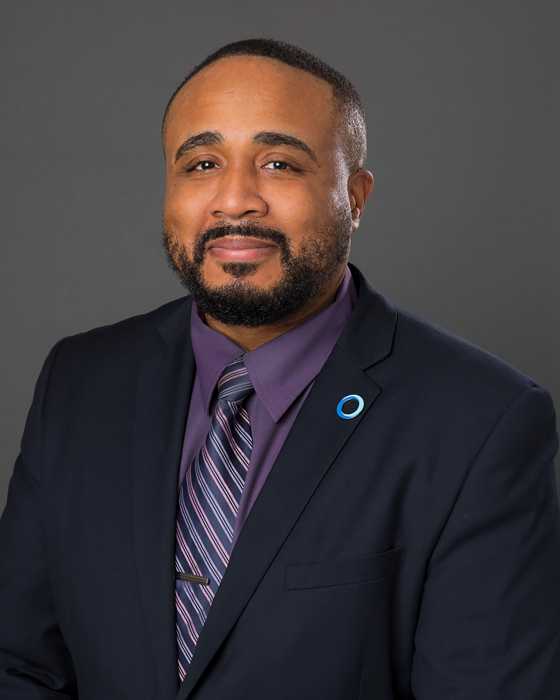
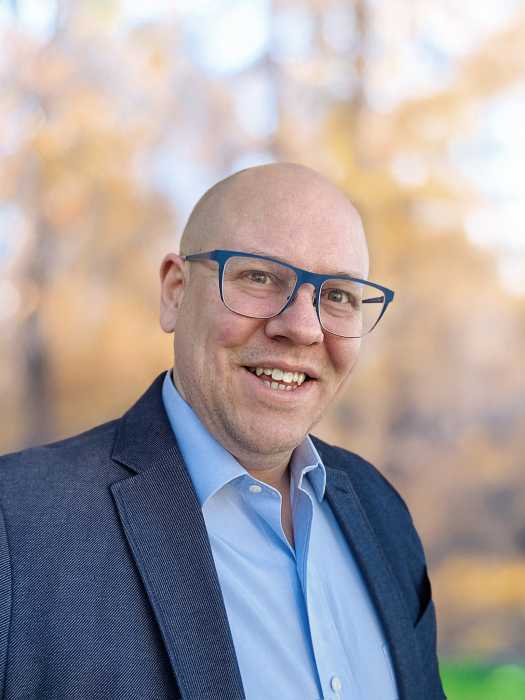
Michael A. Lindsey

Dean and Paulette Goddard Professor of Social Work, NYU Silver School of Social Work

Michael A. Lindsey- NYU

Dr. Michael A. Lindsey, a noted scholar in the fields of child and adolescent mental health, is Dean and Paulette Goddard professor of Social Work at NYU Silver School of Social Work, and an Aspen Health Innovators fellow. He is a New York City Board of Health member, a distinguished fellow of the National Academies of Practice in Social Work, and the president of the American Academy of Social Work and Social Welfare.

What piece of health care related legislation would you like to see passed in the near future?
Young people are 21 times more likely to seek mental health care if given access to school-based services, yet there is a shortage of social workers in schools. NYU Silver master of social work students intern within NYC public schools. NY State Assembly Bill A06402, sponsored by Assembly Member Chantel Jackson, addresses the need to attract and retain students like ours through a mental health apprenticeship retention and training (SMART) internship grant program.

How do you expect the health care field to change in the next five years?
Few trends will shape the development and delivery of physical and mental health services like the growth of AI. We must strive to ensure this benefits all and no one is left out or harmed in the process. At NYU Silver, AI-driven tools and simulations are increasingly used to prepare social work students for real-world settings. Our researchers use AI and data science to identify risks to wellbeing and areas of need with greater accuracy.

As this year comes to an end, what are your goals for 2026?
I will continue to focus on preparing our students to practice with clinical excellence and cultural responsiveness amid a growing shortage of social workers. Meanwhile, as a researcher specializing in mental health and suicide trends among marginalized youth, I will keep using my voice to help caregivers understand how to talk with their children and teens about mental health. I will also delve more into mental health risk factors for boys and male teens.

Eric Linzer- NYHPA

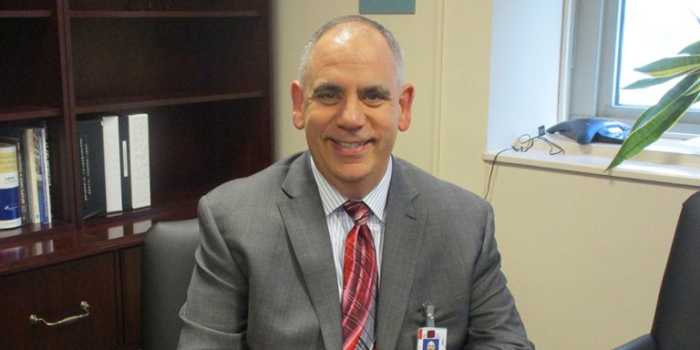
Eric Linzer

President and CEO, NY Health Plan Association

Eric Linzer- NYHPA

Since January 2018, he has been the president and CEO of the New York Health Plan Association (HPA), which advocates on behalf of the managed care industry and whose membership covers more than 11 million residents. Eric came to HPA from the Massachusetts Association of Health Plans where he spent 15 years in a wide range of positions and holds a J.D. from Suffolk University Law School and earned his bachelor’s degree from Boston College.

What piece of health care related legislation would you like to see passed in the near future?
Extension of the enhanced premium tax credits at the federal level. The funding has made health care coverage more affordable for low- and moderate-income consumers and families who obtain health insurance through the individual market. If these tax credits aren’t extended beyond the end of 2025, costs will increase significantly for more than 200,000 New Yorkers.

As this year comes to an end, what are your goals for 2026?
Continuing the industry’s efforts to make health care affordable and accessible for consumers, employers and the state, including advocating for measures to contain costs and increase transparency of the prices hospitals and drug companies charge, fully funding the state’s Medicaid Quality Incentive Program, and reforming the state’s Independent Dispute Resolution program to exclude Medicaid.

Svetlana Lipyanskaya- NYC Health + Hospitals

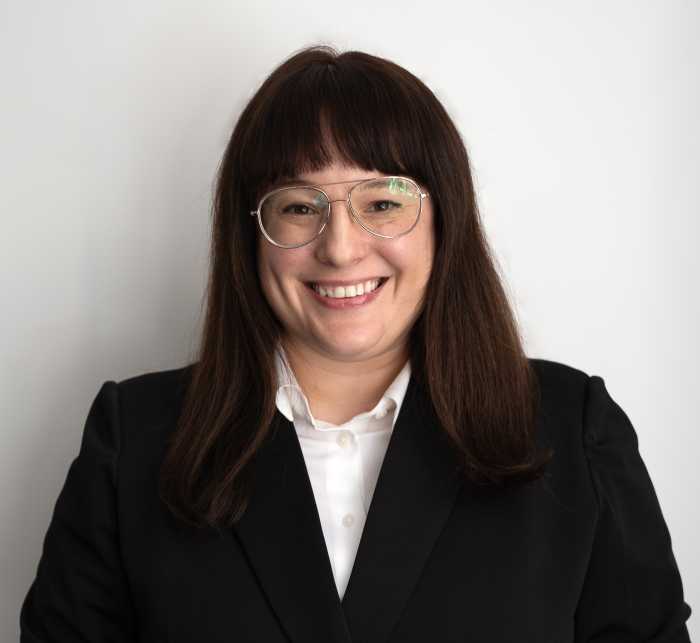
Svetlana Lipyanskaya

CEO, NYC Health + Hospitals | South Brooklyn Health

Svetlana Lipyanskaya- NYC Health + Hospitals

Svetlana Lipyanskaya, MPA, FACHE, is the trailblazing first woman to lead the executive team at South Brooklyn Health. She has navigated the hospital through the challenges of COVID-19 while launching a state-of-the-art inpatient facility. Her strategic vision prioritizes the development of medical and behavioral ambulatory services. Svetlana is featured in Brooklyn Power 100 and honored by Becker’s Hospital Review and celebrated on the NY State Assembly floor for her transformative impact on health care.

Kervens Louissaint- LiveOnNY

Kervens Louissaint

Senior Vice President, Chief Clinical Officer, LiveOnNY

Kervens Louissaint- LiveOnNY

Kervens began his career as an ICU nurse in 2006 before joining LiveOnNY in 2008, where he has since advanced through various staff positions and leadership roles, including transplant coordinator, senior transplant coordinator, clinical manager, assistant director of clinical services, and director of clinical services. In 2022, he was promoted to vice president of clinical services, followed by chief clinical officer, and now serves as SVP, chief clinical officer, leading all clinical operations for LiveOnNY.

Christopher Mastromano- NYC Health + Hospitals

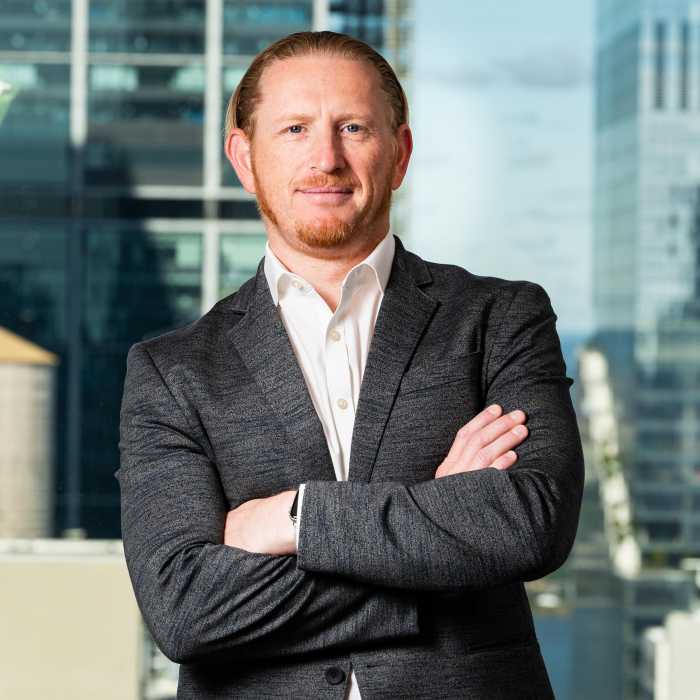
Christopher Mastromano

CEO, NYC Health + Hospitals | Jacobi and North Central Bronx

Christopher Mastromano- NYC Health + Hospitals

Christopher Mastromano is a seasoned health care executive with over 35 years of experience. As CEO of NYC Health + Hospitals/Jacobi | North Central Bronx, he manages a $1B budget and 5,000 staff. He successfully merged the facilities into a two-campus model and currently oversees $500M in capital improvement projects. His background includes leadership roles like COO at Gouverneur and deputy executive director at Kings County.

James McDonald- NYS DOH

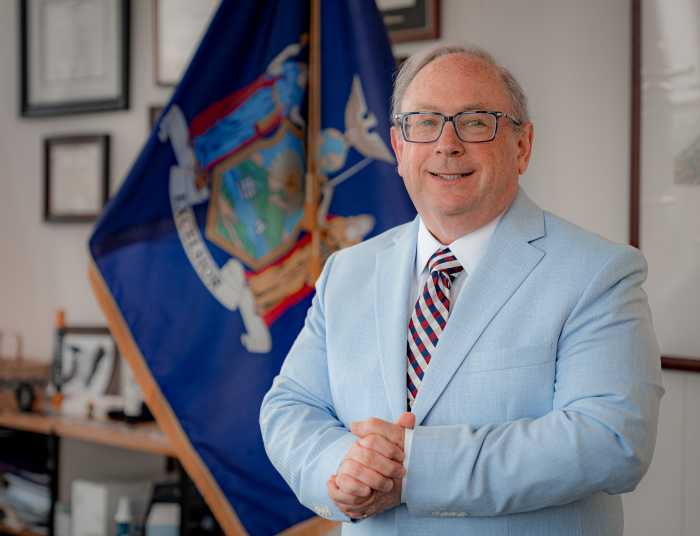
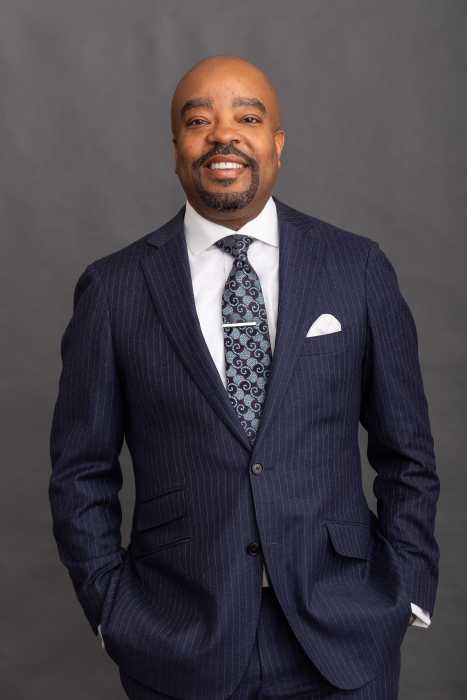
James McDonald

Commissioner, New York State Department of Health

James McDonald- NYS DOH

James V. McDonald, M.D., MPH, was confirmed as the NYS commissioner of health on June 9, 2023, after joining the department in July 2022. He previously served at the Rhode Island Department of Health since 2012 in various roles. He is board certified in pediatrics and preventive medicine. His diverse career also includes officership in the U.S. Navy, private practice in rural areas with health care shortages, and service in the Navajo Nation in Arizona.   

What piece of health care related legislation would you like to see passed in the near future?
As I travel across the state and listen to providers, one of the top concerns I hear from pediatricians, primary care providers and federally qualified health centers is the inability of medical assistants to administer a vaccine. Medical assistants can administer a vaccine in the other 49 states; it would make a difference if those in New York could as well.

How do you expect the health care field to change in the next five years?
I see two major shifts ahead. First, artificial intelligence is going to support decision making and help leverage the power of electronic health records. The second is that even more care will be delivered outside of the hospital setting.

As this year comes to an end, what are your goals for 2026?
My goal is to make sure New Yorkers know that the New York State Department of Health is a venerable, historic institution that has been around since 1901. We have weathered world wars, pandemics – no matter what is going on, the department will remain vigilant at solving problems and improving the lives of New Yorkers.

Suzanne Miles-Gustave- Office of the Mayor

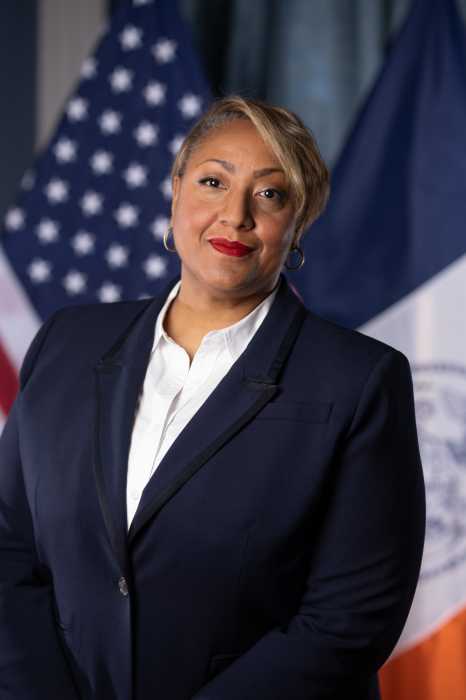
Suzanne Miles-Gustave

Deputy Mayor for Health and Human Services, Office of the Mayor

Suzanne Miles-Gustave- Office of the Mayor

Suzanne Miles-Gustave is the New York City deputy mayor for health and human services. She previously served as acting commissioner of the NYS Office for Children and Family Services. She has more than 20 years of legal and operational experience. She holds a law degree from Fordham, a bachelor’s degree from SUNY Buffalo, and is pursuing a doctorate in public health from Meharry Medical College’s new School of Global Health.

What piece of health care related legislation would you like to see passed in the near future?
Recent federal actions, notably H.R.1 and the potential lapse of enhanced tax credits for individuals to purchase health insurance, will have devastating impacts on critical services, such as health care coverage and food benefits (SNAP), threatening the health and food security of millions of New Yorkers. My priority is reversing these cuts to ensure that the social safety net and public health infrastructure in the city remain as strong as ever. 

How do you expect the health care field to change in the next five years?
My hope is that health care systems and providers will continue to collaborate with human services partners that fulfill a range of social care needs that are proven to improve health outcomes. We see some of that now through screenings targeting social determinants of health and I expect that work to get more and more woven into the architecture of our health care system.

As this year comes to an end, what are your goals for 2026?
With whatever 2026 brings, I plan to continue working at the intersection of health and human services because it is the most effective way to address root causes and tackle health care inequities for individuals, children, families and communities.

Alan Mitchell- HealthEfficient

Alan Mitchell

Executive Director, HealthEfficient

Alan Mitchell- HealthEfficient

Alan Mitchell is the executive director of HealthEfficient, a not-for-profit consultancy based in New York that serves community health centers and other “safety net” health care providers nationwide. Under Alan’s leadership, HealthEfficient has grown from a small regional association to the second-largest organization of its kind, operating in 12+ states and the U.S.-affiliated Pacific Islands. HealthEfficient supports high-quality care in using the latest health information technology and their next-generation data analytics platforms.  

What piece of health care related legislation would you like to see passed in the near future?
I’d like to see Congress act on bipartisan 340B reform to preserve this vital program that allows community health centers to purchase medications at discounted prices and reinvest the savings into patient care. Efforts such as the Senate’s SUSTAIN Act discussion draft reflect a thoughtful path forward – strengthening oversight and transparency while protecting the core mission of 340B to keep care affordable and accessible for patients who need it most.

How do you expect the health care field to change in the next five years?
Artificial intelligence and other advanced technologies are already having a transformative impact and that trend will continue over the next five years. AI will impact not only the clinicians’ experience at the point of care through enhanced clinical decision support and automated documentation, but will streamline revenue cycle management, patient engagement, remote patient monitoring, and more. Our work at HealthEfficient is to ensure all providers and patients are able to fully benefit from these advances.

As this year comes to an end, what are your goals for 2026?
It is a challenging time for health care providers and patients in so many communities across New York and the country. Our goal for next year is to support our members in making the best use of limited resources to adopt efficient, effective models of care to improve outcomes for patients. As we grow HealthEfficient’s team and client base, we will maintain our relentless focus on impact and mission.

Maggie Mortali- NAMI-NYC

Maggie Mortali

CEO, NAMI-NYC

Maggie Mortali- NAMI-NYC

Maggie G. Mortali, MPH, is the chief executive officer of the National Alliance on Mental Illness of New York City (NAMI-NYC), one of the nation’s largest NAMI affiliates. A public health leader with more than a decade of experience in mental health and suicide prevention, she has advanced innovative programs and partnerships that expand access to care, strengthen workplace mental health, and build peer-driven, community-based mental health support.

What piece of health care related legislation would you like to see passed in the near future?
NAMI-NYC supports the Treatment Court Expansion Act and the broader use of mental health courts as off-ramps from the criminal legal system. These courts connect individuals whose involvement stems from mental health or substance use challenges to local providers who can develop individualized treatment plans, reducing incarceration and recidivism while promoting recovery and community reintegration. 

How do you expect the health care field to change in the next five years?
With ongoing threats to behavioral health funding, NAMI-NYC’s free programs are more essential than ever. I expect greater focus on decriminalizing mental illness through investment in community-based crisis response teams that center peers instead of police. Real progress means shifting from enforcement to prevention, ensuring every New Yorker in crisis receives care, not incarceration. 

As this year comes to an end, what are your goals for 2026?
In 2026, we aim to expand our teen mental health programs, including our Teen Helpline and virtual support groups. We will strengthen our Workplace Mental Health Collaborative to more extensively reach media, hospitality, and other high-stress industries. We will continue investing in culturally responsive programs to reduce barriers to care in Black, brown, and Asian communities. Learn more: naminyc.org/helpline

Alan Murray- MediDrive

Alan J. Murray

President and CEO, MediDrive

Alan Murray- MediDrive

Alan J. Murray is president and CEO of the non-emergency medical transportation company MediDrive. The company’s mission is to address the critical issue of transportation as a social determinant of health capable of driving materially improved health outcomes by providing compassionate access to care. Alan is recognized in the health care industry for his leadership, deep industry expertise, and determination to enhance the system with innovation that benefits consumers, customers, providers, and health plan partners.