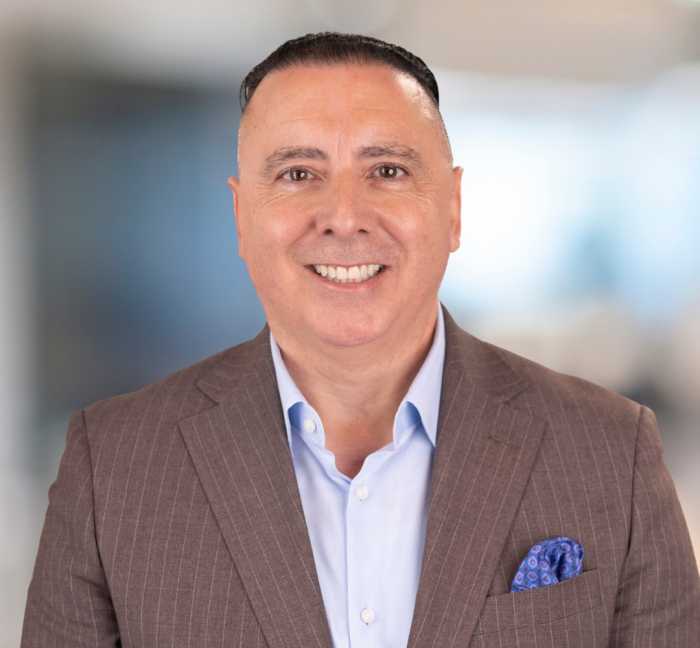
Robert Cordero- Grand St. Settlement

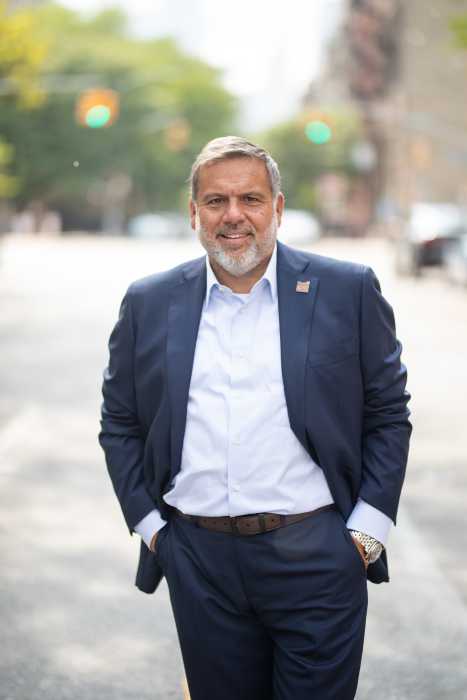
Robert Cordero

CEO, Grand St. Settlement

Robert Cordero- Grand St. Settlement

Robert Cordero is chief executive officer of Grand Street Settlement, a historic New York City settlement house founded in 1916. Under his leadership, Grand Street has quadrupled in size to a $60 million network serving over 18,000 New Yorkers annually across 45 sites. His work focuses on expanding universal child care, advancing economic security, and strengthening community infrastructure so families can thrive with dignity, opportunity, and connection.

What’s one piece of advice you’d give to someone starting out in your field?
Start by listening to the community, to staff, and to history. The nonprofit world moves at the speed of trust, not transactions. Be bold about change, but humble about learning. Success isn’t measured by programs launched, but by lives made stronger through partnership, persistence, and care.

How can policymakers and everyday New Yorkers support your organization?
Invest in the social infrastructure that makes New York work: quality early childhood education, community centers, and family support programs. Policymakers can expand sustainable funding and equitable pay for essential workers; everyday New Yorkers can volunteer, donate, or simply show up. Together, we can make universal child care and opportunity a reality for all.

What are your organization’s goals for 2026?
Grand Street Settlement aims to expand its comprehensive child care model through new Bronx and Brooklyn centers, launch a citywide Technology Hub for digital access and workforce development, and strengthen financial resilience across its $60 million portfolio. The goal: ensure every family, regardless of zip code, has the care, tools, and opportunities to thrive.
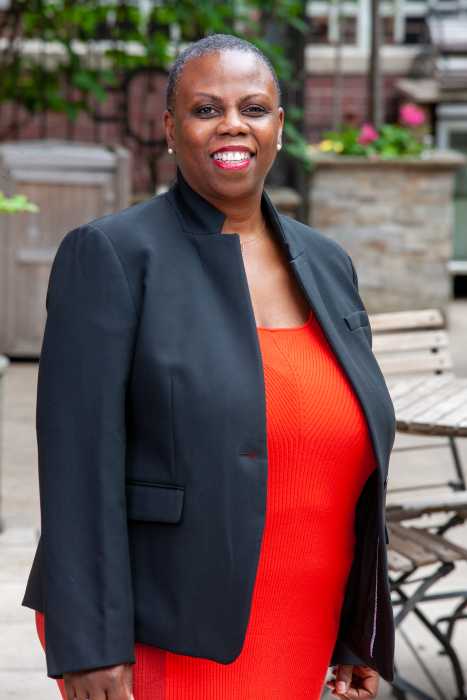
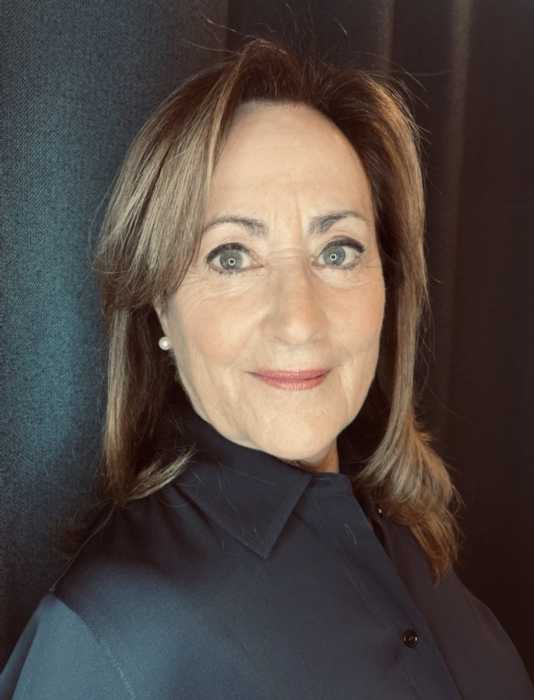
Wini Cudjoe- Ronald McDonald House NY

Wini Cudjoe

Chief Operations and Management Officer, Ronald McDonald House New York

Wini Cudjoe- Ronald McDonald House NY

Wini Cudjoe has dedicated nearly 35 years to Ronald McDonald House New York, leading a team of 30+ that provides 24/7 care for families facing pediatric cancer and other serious illnesses. Under her leadership, the team oversees housing, guest services, and navigation support for families from 16 partner hospitals and cancer centers, leveraging RMH-NY’s partnerships and 45+ years of experience to create a true “circle of support” for families with children in medical crisis.

What’s one piece of advice you’d give to someone starting out in your field?
Confidently bring your own ideas and experiences to the table while remaining receptive to learning from others and adapting to the evolving dynamics of your community. Develop a genuine passion for your work and approach it with diligence and perseverance, as dedication is a key driver of success. Surround yourself with individuals who share your commitment but challenge your thinking, for it is through such constructive collaboration that true growth and innovation occur.

How can policymakers and everyday New Yorkers support your organization?
Policymakers and everyday New Yorkers can support Ronald McDonald House New York by volunteering, attending events, donating, or advocating for policies that expand access to pediatric health care. Every contribution helps families facing serious illnesses access care, comfort, and community. Those interested in getting involved can learn more about volunteer opportunities, upcoming events, and ways to give at RMH-NewYork.org.

What are your organization’s goals for 2026?
By 2026, RMH-NY aims to complete a transformative renovation of its second-floor communal spaces – realigning and expanding offerings around what matters most to families: meals, connection, play, and community. A new service kitchen will increase access to meals and snacks while enhancing volunteer and corporate engagement programs. Additionally, a modern, ADA-compliant family kitchen will empower families to cook their own meals. Together, these upgrades will foster comfort, connection, and belonging when families need it most.

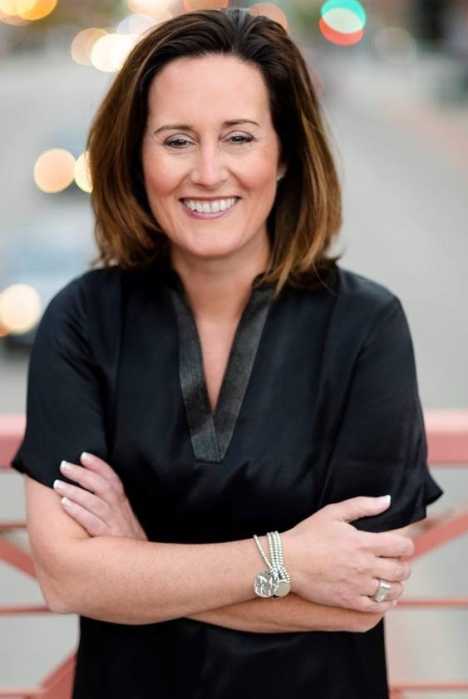
Jacqueline Ebanks- Nonprofit New York

Jacqueline Ebanks

President and CEO, Nonprofit New York

Jacqueline Ebanks- Nonprofit New York

Jacqueline M. Ebanks is the president and CEO of Nonprofit New York, where she leads more than 3,000 member organizations through a period of significant fiscal and operational challenges. Formerly interim CEO, she previously served as executive director of the NYC Commission on Gender Equity and held senior roles at United Way of New York City, the New York Women’s Foundation, Women Creating Change, and Citigroup.

What’s one piece of advice you’d give to someone starting out in your field?
Define your purpose and be true to it.

How can policymakers and everyday New Yorkers support your organization?
The nonprofit sector is the backbone of our society. We all rely on it. This work is not charity but essential to building a healthy and thriving City. Policymakers should be realistic about the scale and costs of the challenges that New Yorkers face, and provide nonprofit organizations with the timely, appropriate levels of financial support they need to meet the moment.

What are your organization’s goals for 2026?
To build a united, just, and powerful nonprofit sector that can not only weather challenging times, but also create opportunity for all New Yorkers.

Yasmine Farhang- Immigrant Defense Project

Yasmine Farhang

Executive Director, Immigrant Defense Project

Yasmine Farhang- Immigrant Defense Project

Yasmine is a New Yorker, a child of immigrants, and the executive director of the Immigrant Defense Project, which fights for justice for all immigrants targeted for arrest and deportation. IDP leverages legal, advocacy and narrative strategies to strengthen the work of lawyers, advocates and communicators in support of immigrant justice. Previously, Yasmine was a lead immigration attorney at Make the Road NY and a Senior Policy Advisor at the Mayor’s Office of Immigrant Affairs.

What’s one piece of advice you’d give to someone starting out in your field?
I’d urge people to learn the history of how the U.S. immigration system has been built on racial exclusion and discrimination. The same mission that compels us to fight back against the cruelty of detention, deportation, and criminalization of immigrants demands that we stand against abuses of power everywhere – whether in the criminal legal system or in other systems of oppression in the U.S. and around the globe.

How can policymakers and everyday New Yorkers support your organization?
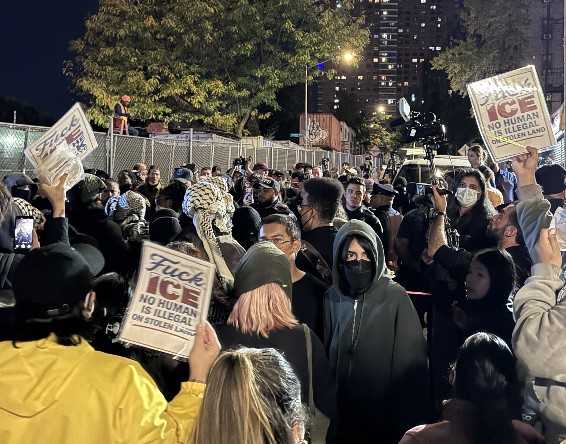
We urge policymakers and everyday New Yorkers seeking to protect immigrants to hold racial justice at the center of this work. The idea that only some immigrants are deserving and good fails all of us, sows divisions and undermines our movements. We need to demand comprehensive solutions to fight back against Trump’s mass deportation agenda and we must pass the NYC Trust Act and the New York for All Act!

What are your organization’s goals for 2026?
IDP’s priorities are to provide critical legal support and responsive rights education to community members and legal advocates, fight for local and state sanctuary protections and clemency justice for New Yorkers, challenge inhumane immigration laws through impact litigation and policy advocacy, use strategic communications to move hearts and minds and shift the public narrative, and continue to convene the field around our core principle: all human beings deserve dignity and no one is disposable.

Nathaniel Fields- Urban Resource Institute

Nathaniel Fields

CEO, Urban Resource Institute

Nathaniel Fields- Urban Resource Institute

Nathaniel Fields is the CEO of Urban Resource Institute, the nation’s largest provider of domestic violence shelter services and a leader in housing solutions for unhoused families. He oversees 24 sites serving 40,000 people annually through trauma-informed, innovative programs that promote long-term stability. A recognized policy advocate and Nonprofit Power Player, he has championed initiatives like URI’s PALS and APIP. Nathaniel serves on key advisory councils and is pursuing a doctorate at NYU Steinhardt.

What’s one piece of advice you’d give to someone starting out in your field?
My advice is to lead with purpose and stay rooted in the people you serve. This work demands compassion, resilience, and a commitment to excellence because lives depend on it. Listen deeply, honor community wisdom, and stay curious about solutions that break cycles of trauma and create real opportunity. Build strong partnerships, invest in your own growth, and never lose sight of hope. In this field, hope is not abstract. It is transformational.

How can policymakers and everyday New Yorkers support your organization?
Policymakers play a vital role in creating a future where every person can rebuild with stability, dignity, and hope. We work to interrupt cycles of violence, homelessness, and poverty, and we need sustained investment in what works: youth and community-based prevention, expanded supportive and affordable housing, and strong economic supports for survivors and their families. Policies must also address those who cause harm. When you partner with URI, communities can move from trauma to triumph.

What are your organization’s goals for 2026?
In 2026, URI will prioritize protecting survivors from potential federal cuts to HUD Continuum of Care, SNAP, and Medicaid by working closely with sector partners to safeguard essential supports. We are also advancing key legislation, including A.3038/A.1353-B on coerced debt, A.8375/S.7612 and A.1693/S.673 expanding pet-inclusive shelters, and S.9358 establishing trauma-informed accountability standards. These efforts advance URI’s mission to break cycles of trauma and build pathways to safety, stability, and long-term healing.

Beth Finkel- AARP NY

Beth Finkel

State Director, AARP New York

Beth Finkel- AARP NY

Beth leads advocacy for New York’s 50-plus population, driving reforms in paid family leave, housing, and caregiver support. Drawing on personal caregiving experience, she champions home and community-based services, securing major budget wins while warning of risks from county pressures tied to SNAP and Medicaid. She has guided research on aging, caregiving, and economic stress. Representing 2.2 million older adults, Beth fights for policies that help families age with dignity and security.

What’s one piece of advice you’d give to someone starting out in your field?
Find your passion and follow it.

How can policymakers and everyday New Yorkers support your organization?
Advocate for policies that protect and empower older adults, volunteer your time, and amplify our mission by sharing resources. Every voice matters in creating a more age-friendly New York.

What are your organization’s goals for 2026?
AARP’s 2026 goals focus on health security, financial resilience, and livable communities. We aim to protect Medicare and Social Security, lower prescription drug costs, and expand retirement savings options. We’ll advocate for affordable housing, transportation, and caregiving resources so older adults can age in place with dignity. By strengthening economic stability and access to care, AARP continues its mission to help people 50-plus live independently, securely, and with a greater quality of life.

Amy Freitag

President, New York Community Trust

Amy Freitag became president of the New York Community Trust in 2022. Previously, she was executive director of the J.M. Kaplan Fund, executive director of the New York Restoration Project, U.S. program director for the World Monuments Fund, and deputy commissioner for capital projects with the NYC Department of Parks and Recreation. She served on the Mayoral Advisory Commission on City Art, Monuments, and Markers and sits on the James Marston Fitch Charitable Foundation’s board.

David Garza- Henry St. Settlement

David Garza

President and CEO, Henry Street Settlement

David Garza- Henry St. Settlement

David Garza is president and CEO of Henry Street Settlement, the social services, arts, and health care organization on New York’s Lower East Side. A long-time advocate for educational and employment opportunities, fair and affordable housing, and strong and healthy families, he previously led the agency’s Workforce Development Center. A graduate of Harvard College and the Institute for Not-for-Profit Management at Columbia Business School, he serves on multiple nonprofit boards focused on health and economic justice.

What’s one piece of advice you’d give to someone starting out in your field?
I believe that the most responsible thing we, as leaders, can do is not to give advice but to share our experience – with vulnerability, humility, and accuracy, to help inform and prepare those who follow in our footsteps. Much of what my experience has taught me is that it’s critical to act on your convictions, with judgment and creativity. That is undoubtedly harder earlier in your career, but it gets easier. 

How can policymakers and everyday New Yorkers support your organization?
Policymakers serve their constituents best by getting as close to the street as possible, and groups like Henry Street can help. A settlement house, with our ears to the ground, can share timely, relevant perspectives on the goals and needs of our community, and can help policymakers understand how their work truly affects people. New Yorkers can support us by volunteering, donating financially, and helping us share our stories and mission throughout the city.

What are your organization’s goals for 2026?
Given the breadth and unpredictability of the challenges we’re likely to face in the coming years, our goal is to lean in and serve when and where the community needs us most, with strength, resilience, and commitment to the most vulnerable. We aim to stay strong in the windstorm while continuing to advance our strategic priorities, helping our neighbors get the jobs, benefits, mental health care, housing, access to the arts, and all necessities they need.

Rachael Gazdick – New York Edge (1)

Rachael Gazdick

CEO, New York Edge

Rachael Gazdick – New York Edge (1)

With more than 20 years in education advocacy, New York Edge CEO Rachael Gazdick leads the organization’s mission to build equity in education and provide thousands of K-12 students with free, engaging programs that foster academic and personal growth. Since 2019, she has expanded afterschool programming across 130+ schools and introduced new initiatives such as school-based food pantries in Queens, Manhattan, and the Bronx, supporting students and families citywide.

What’s one piece of advice you’d give to someone starting out in your field?
Stay grounded in purpose and curiosity. Always center young people – their voices, needs, and potential. Listen deeply, build relationships, and let their experiences guide how we innovate. Real impact grows through trust, reflection, and persistence. When we care for the whole child – academically, socially, and emotionally – we create meaningful opportunities for learning, belonging, and growth, shaping experiences that extend beyond the classroom and nurture the confidence, curiosity, and resilience of every student.

How can policymakers and everyday New Yorkers support your organization?
It’s important to recognize that afterschool time is essential to a child’s learning and development – and ultimately cultivating the next generation of leaders. Policymakers can expand access for all students and invest in high school programs, where support has lagged. New Yorkers can volunteer, advocate, and amplify this mission. Together, we can ensure every student has safe, inspiring spaces to learn, lead, and thrive – preparing them to better the world around them.

What are your organization’s goals for 2026?
In 2026, New York Edge will expand resources for our EdgeUCate Innovation Labs, ensuring every student can access experiences that spark discovery and ambition. Through high-quality afterschool and community school programs, we’ll continue to help young people thrive intellectually, personally, and creatively. By offering opportunities in arts, STEM, leadership, sports, health, filmmaking, animation, makers clubs, publishing, podcasting, and songwriting, we’ll empower students to explore their passions, develop skills, and shape their futures.

Dave Giffen- Coalition for the Homeless

Dave Giffen

Executive Director, Coalition for the Homeless

Dave Giffen- Coalition for the Homeless

Dave Giffen runs the Coalition for the Homeless, the nation’s oldest advocacy and direct service organization helping homeless and at-risk New Yorkers, which established and vigorously defends NY’s legal Right to Shelter. Dave oversees the Coalition in its unique role as independent monitor of the city’s roughly 500 shelters, and as a provider serving roughly 40,000 homeless individuals per year with food, clothing, crisis services, eviction prevention, permanent housing, job training, and youth programs.

What’s one piece of advice you’d give to someone starting out in your field?
Find joy in the work – especially when the day-to-day work can often be upsetting – by remembering that there’s no greater privilege than being able to spend the hours of your day doing something both meaningful to you and that contributes to the common good.

How can policymakers and everyday New Yorkers support your organization?

  • Help us become unnecessary
  • Read – and let elected officials and policymakers know you support – our policy recommendations.
  • Look out for your homeless neighbors in your community
  • Donate funds
  • Volunteer

What are your organization’s goals for 2026?
To convince the new mayoral administration to commit to investing in building 12,000 units of affordable housing per year for five years, targeted specifically to homeless households, and those most at risk of homelessness, including those living doubled-up in the homes of others.To fight against, and try to alleviate the suffering caused by, the incomprehensible, inhumane (and often illegal) actions and policies of the current presidential administration. Others here.