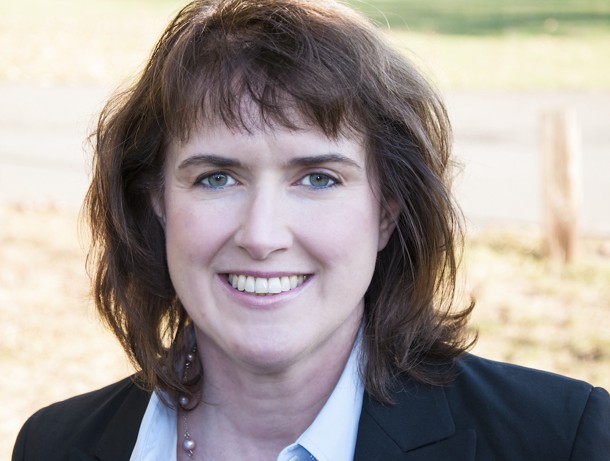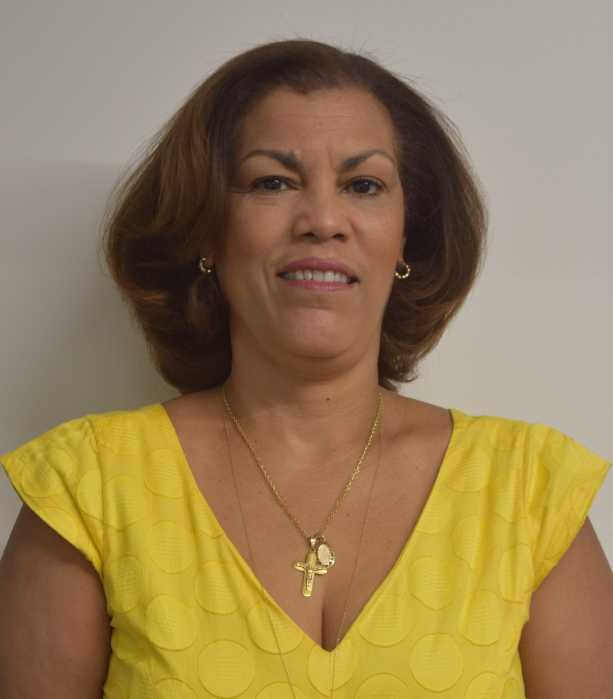
Lidia Virgil- Somos

Lidia Virgil

Chief Operations Officer, SOMOS Community Care

Lidia Virgil- Somos

Dr. Lidia Virgil is a physician and business leader with more than 25 years of experience transforming health care delivery. She has pioneered urgent care centers, care transition programs, and value‑based models that improve outcomes for underserved communities. As chief operations officer and founding member of SOMOS Community Care, she leads initiatives connecting vulnerable populations to essential health and social services, while continuing her work through community programs and volunteer medical missions.

What’s one piece of advice you’d give to someone starting out in your field?
Stay committed to your purpose. Health care is complex and constantly evolving, but if you keep patients at the center of every decision, you’ll find the resilience to overcome challenges. Learn both the clinical and business sides of health care by understanding operations and economics is just as critical as understanding medicine.

How can policymakers and everyday New Yorkers support your organization?
Policymakers can support us by advocating for value-based care models and ensuring funding for community-based programs that prioritize preventive care and equity. Everyday New Yorkers can help by participating in community health initiatives, spreading awareness about available services, and volunteering at local events. Together, we can close gaps in care and improve outcomes for vulnerable populations.

What are your organization’s goals for 2026?
Our primary goals for 2026 are to strengthen connections between health care and social care services across hundreds of providers in New York City – especially in the Bronx. We aim to enhance care coordination for underserved communities and integrate technology that improves engagement and outcomes. Ultimately, we want to create a sustainable system where providers are fairly compensated for quality care, and patients receive comprehensive support – medical and social – regardless of income or status.
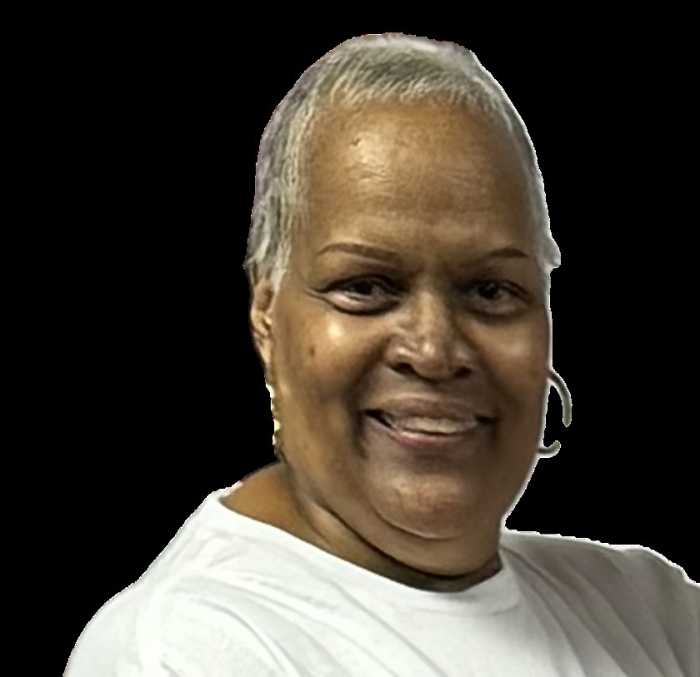
April Watkins- Path to Jobs

April Watkins

Chief Program Officer, Path to Jobs

April Watkins- Path to Jobs

April Watkins leads programs that help New Yorkers overcome barriers to employment and stability. With over 25 years in nonprofit leadership, she has expanded Path to Jobs’ reach statewide, building partnerships and securing vital funding, including a $1.4m grant to support individuals with disabilities. April’s work empowers people living with HIV and other chronic conditions, proving that meaningful employment fosters health, dignity, and lasting change.

What’s one piece of advice you’d give to someone starting out in your field?
Learn all you can about the people you serve and see them as individuals with stories, strengths, and potential. Approach every interaction with empathy, not judgment, and let trauma-informed care guide your practice. Allow your heart to guide your plan. Lead with trust and forgiveness, and never let disappointment stop you from starting again. This work is about persistence, compassion, and the belief that everyone deserves a chance.

How can policymakers and everyday New Yorkers support your organization?
Policymakers and everyday New Yorkers can support Path to Jobs by championing workforce development and peer employment initiatives that uplift individuals with lived experience. By advocating for equitable funding and inclusive hiring practices, you help create meaningful opportunities for New Yorkers seeking stability and growth. Your voices, partnerships, and awareness amplify our mission – showing that when communities invest in people, they strengthen the city’s foundation for economic and social well-being.

What are your organization’s goals for 2026?
In 2026, Path to Jobs aims to strengthen its role as a statewide leader in peer workforce development. We will expand initiatives addressing the HIV and overdose crises, increase employment pathways for people with lived experience, and deepen collaborations across sectors. Our goal is to make peer employment a respected, sustainable career path, proving that empowering individuals to give back is not only transformative but vital to New York’s economic and social recovery.

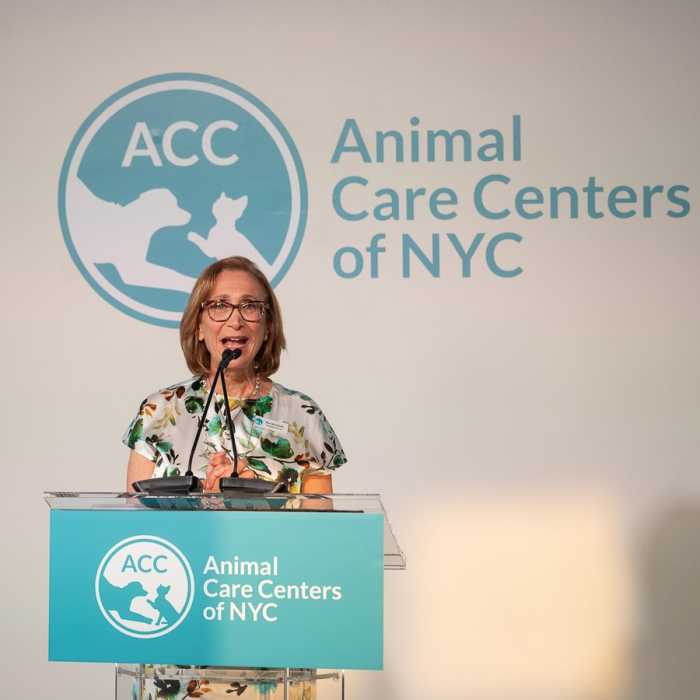
Risa Weinstock- Animal Care Centers of NYC

Risa Weinstock

President and CEO, Animal Care Centers of NYC

Risa Weinstock- Animal Care Centers of NYC

Risa Weinstock is president and CEO of Animal Care Centers of NYC, the city’s open-admission animal welfare organization. Since 2013, she has led ACC through major growth, expanding community-based programs, strengthening partnerships with rescues, and improving placement outcomes for homeless animals. A lifelong New Yorker and dedicated public servant, Weinstock focuses on keeping pets and families together, ensuring compassionate care for every animal, and guiding ACC toward its mission of ending animal homelessness in NYC.

What’s one piece of advice you’d give to someone starting out in your field?
Animal welfare will test your heart, your patience, and your resilience so my advice is simple: stay rooted in compassion, but don’t try to do this work alone. Surround yourself with people who believe in the mission as fiercely as you do. Listen more than you speak, be willing to adapt, and remember that every small win matters. In this field, progress is built day by day, animal by animal, together.

How can policymakers and everyday New Yorkers support your organization?
Policymakers and New Yorkers can support ACC by recognizing that animal welfare is community welfare. We need continued investment in programs that help pets stay with the families who love them. For everyday New Yorkers, adopting, fostering, volunteering, or simply sharing accurate information makes a real difference. When the city and its residents stand with us, we can strengthen the safety net for animals and work toward ending homelessness for pets in NYC.

What are your organization’s goals for 2026?
In 2026, our focus is on expanding NYC’s animal safety net. We will be opening a new state of the art shelter in the Bronx, which is a first for the borough. We’re also prioritizing operational excellence in our facilities, enhancing volunteer engagement, and deepening partnerships with rescue groups. We look forward to working with the New York City Council to provide even more resources to New Yorkers in need.

Michelle Yanche- Good Shepherd Services

Michelle Yanche

CEO, Good Shepherd Services

Michelle Yanche- Good Shepherd Services

Michelle Yanche is the chief executive officer of Good Shepherd Services, where she has spent 30 years championing New York City youth and families. She leads more than 100 programs supporting over 30,000 people each year. Michelle is known for her steady, community-first leadership and her commitment to expanding opportunities that help young people and neighborhoods thrive.

What’s one piece of advice you’d give to someone starting out in your field?
In youth and family development, the most important lesson is to stay the course. There will be tough moments when progress feels slow or setbacks feel heavy. Meet those times with patience, persistence, and courage, knowing that there is always another chapter ahead. Growth in this work comes from showing up, staying grounded in your values, and continuing forward, especially when the path feels hardest.

How can policymakers and everyday New Yorkers support your organization?
I encourage New Yorkers—and especially policymakers—to listen closely to the people and communities we support and to organizations like Good Shepherd Services that work with them every day. When leaders truly understand people’s needs, they are better able to advocate for meaningful solutions on affordability, opportunity, and support. Using that insight boldly to guide policy is how we create real, lasting change for youth and families across the city.

What are your organization’s goals for 2026?
Good Shepherd Services is focused on helping young people and families overcome challenges around stability, safety, and economic opportunity. In 2026, we will accelerate efforts to drive economic mobility, and we are eager to work alongside the incoming mayoral administration as it tackles New York’s affordability crisis. At the center of this work is expanding wages, opportunity, and long-term stability for all New Yorkers, and especially those who face the greatest obstacles accessing it.