PoliticsNY and amNY are proud to present the 2025 Nonprofit Power Players list. The leaders highlighted on this year’s list are the driving forces behind a variety of programs and initiatives improving the lives of New Yorkers from all walks of life. Focusing on important issues such as education access, race and gender equity, immigrant justice, affordable housing, food insecurity and more, the 2025 Nonprofit Power Players are vital leaders in the fight for a better New York for all.

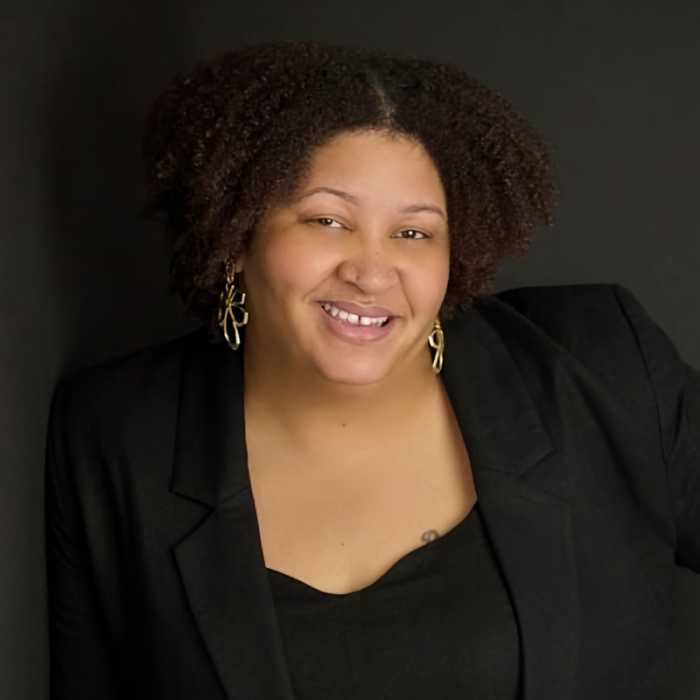
Melissa Aase- University Settlement

Melissa Aase

CEO, University Settlement

Melissa Aase- University Settlement

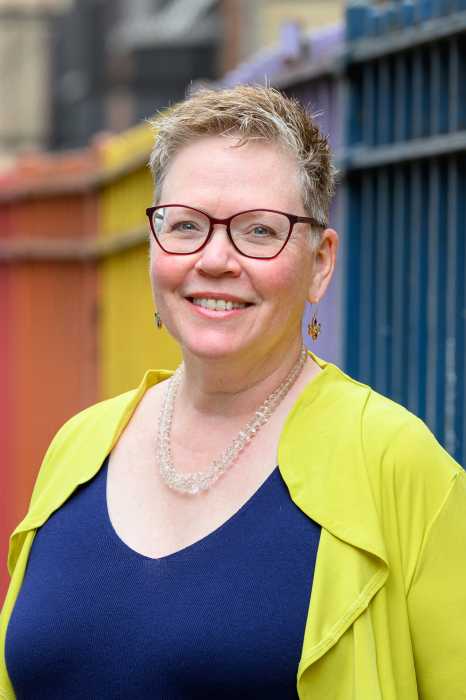
Melissa Aase is now University Settlement’s chief executive officer and became its executive director in 2013. Melissa first joined US in 1992 as a social work student. She also currently serves as the president of the board of the International Federation of Settlements and Neighborhood Houses, and sits on the board of United Neighborhood Houses. She holds a Master of Divinity from Union Theological Seminary and a Master of Social Work from Columbia University. 

What’s one piece of advice you’d give to someone starting out in your field?
Find places where you are inspired by the people you’re working with, in all directions. Listen carefully and follow your community’s lead. Remember that change is most possible when we work collectively and by building relationships. And consider how to connect the important micro practice of human-to-human support with the macro practice of organizing and understanding and combating the structures of inequity that lead people to need support.

How can policymakers and everyday New Yorkers support your organization?
We need our government to honor our nonprofit community-based organizations, the backbone of NYC, beginning by giving our human services workers the #JustPay they deserve and by paying us on time. Everyday New Yorkers can help by giving what they can to direct services organizations and demanding that their representatives build a more supportive relationship between the public and nonprofit sectors, so we can collectively build the more humane city we want to live in.

What are your organization’s goals for 2026?
It’s a scary time right now for organizations like ours, and for our communities. Those of us in leadership have never seen backlash like this; hatred and greed and dehumanization have taken hold, and these policies are harming our neighbors deeply. This moment is all about doing everything we can to ensure that basic needs are being met, resisting the destruction of systems of care, and conserving our strength for the long haul.
Leonard Achan- LiveOnNY

Leonard Achan

President and CEO, LiveOnNY

Leonard Achan- LiveOnNY

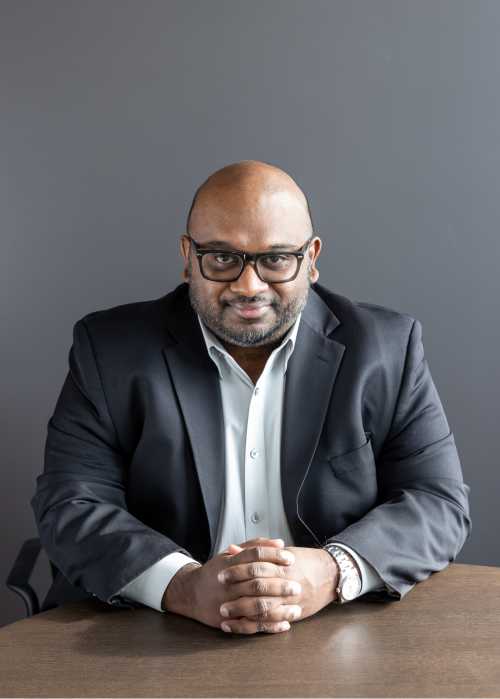
Leonard Achan is a health care executive and operator with over 25 years of leadership experience specializing in clinical, operational, and digital transformation roles as well as organizational turnarounds. Before joining LiveOnNY as CEO, he held multiple C-suite roles in NYC academic medical centers and co-founded digital health companies. An Adelphi, NYU, and Wharton School alum, Achan lectures and serves on several nonprofit and private boards across academia, public health, and technology companies.

What’s one piece of advice you’d give to someone starting out in your field?
As you start your journey, remember: there’s doing the right thing and doing the easy thing. Never compromise your integrity for convenience. Embrace challenges and accept that change is difficult. Learn relentlessly, take bold action, and resist the pull of complacency. By staying true to your values and daring to push boundaries, you can create a meaningful impact that lasts far beyond what you may expect.

How can policymakers and everyday New Yorkers support your organization?
Policymakers can support LiveOnNY by championing policies that put the community and patient first. They can support funding for health and wellness, education and engagement. Everyday New Yorkers can help by registering as organ and tissue donors, sharing the importance of donation with friends and family, and supporting our programs that save and transform lives – together, we can strengthen New York’s healthcare system and honor donor heroes.

Liberty Aldrich

Executive Director, The Children's Law Center

Liberty Aldrich, a native New Yorker, is the executive director of The Children’s Law Center. CLC represents 4500 children every year, upholding children’s rights in family court. Previously, Ms. Aldrich served as a family court judge in Bronx, NY and as managing director and general counsel of the Center for Justice Innovation. She co-founded Family Legal Care and the Children’s Voice Project. She has published numerous legal decisions and articles on law and policy.

What’s one piece of advice you’d give to someone starting out in your field?
For young lawyers, I tell them it is possible to love what you do and want to come to work every day. But that won’t happen if you are following someone else’s idea of success.

How can policymakers and everyday New Yorkers support your organization?
We can support The Children’s Law Center by asking children what they need. Too often, children’s access to support, stability and wellbeing is determined by others who think they know best. Let children speak.

What are your organization’s goals for 2026?
We believe that every child whose fate is being determined by a court deserves to have an advocate fighting just for them. In 2026, our goal is to see that children who are victims of domestic violence, sexual abuse, or other trauma, including the trauma of migration, have a right to counsel. And we hope to ensure that the necessary funding is provided by state and local governments to make that a reality.

Portia Allen-Kyle- Color of Change

Portia Allen-Kyle

Interim Executive Director, Color Of Change

Portia Allen-Kyle- Color of Change

Portia Allen-Kyle served as the interim executive director of Color Of Change, leading the organization’s strategic advocacy and day-to-day operations. Portia has spent her career advancing civil rights and civil liberties through a lens of racial equity by crafting innovative policy reports and solutions, building and supporting coalitions, and implementing legislative and stakeholder engagement strategies.

What’s one piece of advice you’d give to someone starting out in your field?
I encourage anyone starting out in this field as a civil rights attorney to be grounded in community and to focus on building core competencies around writing, reading, and public speaking before diving into becoming a subject matter expert.

How can policymakers and everyday New Yorkers support your organization?
Everyday New Yorkers can get involved by staying informed about key issues, showing up in support of their neighbors, and holding those in power accountable to real solutions to the challenges so many people are experiencing.

What are your organization’s goals for 2026?
For 2026, we will continue to push forward in the fight for racial justice, taking on corporations who are profiting off of hate, resisting the attacks on our democracy, and holding government officials accountable to stand up for Black communities and everyday working people.

Alliance for Quality Education

Marina Marcou-O’Malley- Alliance for Quality Education

Marina Marcou-O’Malley

Co-Executive Director, Alliance for Quality Education

Marina Marcou-O’Malley- Alliance for Quality Education

Marina Marcou-O’Malley, co-executive director, joined AQE in 2008. She served as operations and policy director for many years, during which Marina authored and co-authored over 40 policy reports. Her policy expertise includes school finance, school climate and school discipline reform, childcare, community schools and pre-K. She has served on several policy advisory bodies for the New York State Board of Regents and regularly provides policy technical assistance to our local organizers and allied organizations.

What’s one piece of advice you’d give to someone starting out in your field?
Remember your values, and always lead with them.

How can policymakers and everyday New Yorkers support your organization?
Everyday people, get involved, get informed, sign up to get our emails, take action! Elected officials, remember that your actions, or lack thereof affect your constituents. Stand up for people by raising revenue and investing in children and families.

What are your organization’s goals for 2026?
Our goals for 2026 are to not let the state off the hook in order to fund the things our children need, including Universal Childcare and fully funding our public schools. The way we do that is by raising revenue from the wealthy, raising the billions we need to not just fund education and childcare, but housing and so much more.

Zakiyah Shaakir-Ansari- Alliance for Quality Education

Zakiyah Shaakir-Ansari

Co-Executive Director, Alliance for Quality Education

Zakiyah Shaakir-Ansari- Alliance for Quality Education

Zakiyah Ansari, co-executive director, previously served as our advocacy director with over two decades of organizing and advocacy for AQE. She has become a nationally prominent activist. Zakiyah is skilled in education policy issues and parent and community involvement. She is often quoted in the media and serves as a spokesperson for AQE’s core advocacy and community organizing issues. She was named one of City and State’s 25 Brooklyn Influencers in 2017.

What’s one piece of advice you’d give to someone starting out in your field?
Organizing is a marathon, not a sprint. The work of advocacy and organizing to change or dismantle systemic harm to Black, brown and poor children is grueling. So rest when you need to rest and roar against injustice when you aren’t resting.

How can policymakers and everyday New Yorkers support your organization?
Subscribe to get our emails and notifications to stay involved and take action. We are committed to building the bigger “we”. For the last 25 years, we have prided ourselves on being a place you can count on for the facts about what’s happening and ways to take action.

What are your organization’s goals for 2026?
Our goals for 2026 are to not let the state off the hook in order to fund the things our children need, including Universal Childcare and fully funding our public schools. The way we do that is by raising revenue on the wealthy, raising the billions we need to not just fund education and childcare, but housing and so much more.


Na’ilah Amaru- BIPOC Democracy Table

Na’ilah Amaru

Advocacy and Policy Strategist, BIPOC Democracy Table

Na’ilah Amaru- BIPOC Democracy Table

Na’ilah Amaru is an advocacy and policy strategist whose work bridges grassroots power and governing institutions. She partners with nonprofit and community leaders to advance issue campaigns that expand civic power and strengthen democratic infrastructure. Drawing on over two decades of experience in building civic engagement ecosystems, coalition strategy, and leadership development, Na’ilah expands the influence of historically marginalized communities in public policy and governance, strengthening how communities shape decisions that affect their lives.

What’s one piece of advice you’d give to someone starting out in your field?
Lead with your values. Fancy titles open doors, but what truly matters and what creates real, lasting change is your integrity, the relationships you build, and your ability to imagine new possibilities and turn those ideas into action. Learn how systems work, then organize people and power to make them work better for everyone.

How can policymakers and everyday New Yorkers support your organization?
Policymakers can follow the leadership of those most impacted, investing in the civic infrastructure that supports community-led governance and decision-making. Everyday New Yorkers can strengthen democracy by staying engaged beyond election day, participating in local advocacy, and holding government leaders accountable to the communities they serve. Together, they help create the conditions for an inclusive democracy built on shared responsibility.

What are your organization’s goals for 2026?
The BIPOC Democracy Table is focused on deepening statewide collaboration among nonprofit and grassroots leaders of color and building the collective infrastructure needed to shape democracy reform. Our goal is to embed racial justice and collective leadership in New York’s democracy by expanding collaboration, shared accountability, and sustainable power across the civic ecosystem.

Murad Awawdeh

President and CEO, New York Immigration Coalition

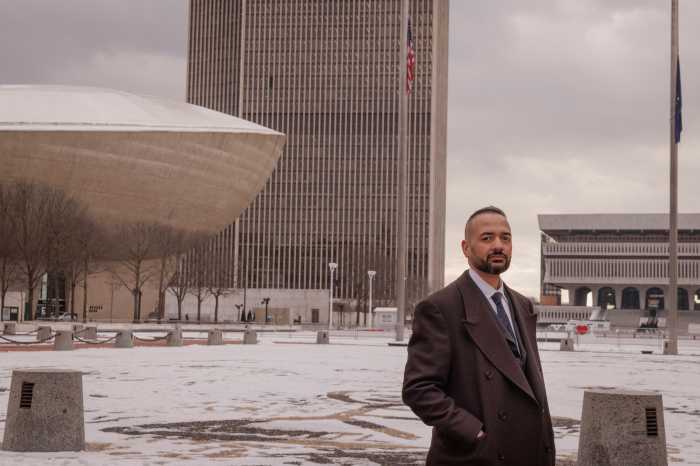
Murad Awawdeh, son of Palestinian immigrants, is a powerhouse strategist and organizer serving as president and CEO of the New York Immigration Coalition. For over 20 years, he has built community power – from combating harmful developments in Sunset Park to leading campaigns that shape New York’s policies and politics. He has mobilized hundreds of thousands against anti-immigrant actions, achieved major victories across government levels, and serves on key civic and leadership boards.

Matt Bershadker- ASPCA

Matt Bershadker

President and CEO, ASPCA

Matt Bershadker- ASPCA

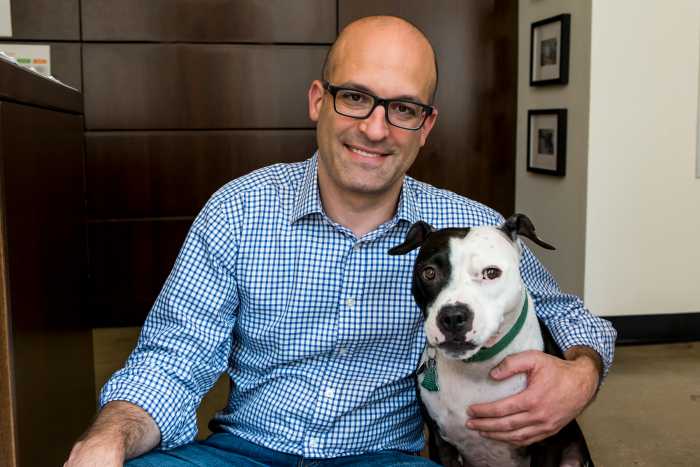
Matt Bershadker is president and CEO of the ASPCA, the nation’s first animal welfare organization. Under his leadership, the ASPCA transformed animal cruelty enforcement across New York City through a groundbreaking partnership with the NYPD and created Community Veterinary Clinics to bring affordable veterinary care to underserved neighborhoods. A vocal advocate for stronger animal protections, Matt has testified before Congress and helped advance key legislation, including New York’s Puppy Mill Pipeline Law.

What’s one piece of advice you’d give to someone starting out in your field?
The animal welfare field requires patience and resilience. Real progress is often systemic and long-term, not instantaneous. But every improved process, stronger policy, and better-supported community helps build a more humane system for animals and the people who love them. Also, listen more than you speak. Learn from veterinarians, behaviorists, shelter teams, policymakers, and community members. The more perspectives you understand, the better you’ll be at creating solutions that actually work.

How can policymakers and everyday New Yorkers support your organization?
New Yorkers can drive real change by adopting, fostering, volunteering, and raising awareness to support organizations working to protect animals. Policymakers can accelerate progress by advancing pet-friendly housing legislation, funding programs that keep pets and families together, and expanding access to affordable veterinary care – especially in underserved communities. When community members and policymakers work together, animals and the people who love them are safer, better supported, and more likely to thrive.

What are your organization’s goals for 2026?
As we celebrate our 160th anniversary next year, we’re building on a legacy of pioneering, proving, and sharing solutions to help even more animals and the people who love them. We’re launching bold new initiatives – alongside the foundational programs that power change – to expand access to veterinary care, strengthen animal welfare supports in communities, advance higher-welfare practices for farm animals, and ensure more animals receive the care and protection they deserve.