
With electricity bills 56 percent higher than the national average, high energy costs are making it harder for New York’s businesses of all sizes to hire, grow, and serve the communities that depend on them. It is also straining consumers and undermining their buying power as they navigate a difficult economy.
That is why the national conversation surrounding artificial intelligence and data centers should be revisited. Albany lawmakers recently passed a moratorium on building new data centers, the infrastructure that powers the information economy. Too often, these technologies are framed only as new sources of energy demand. While that demand should be managed responsibly, it’s only one part of the story. In practice, AI and the data infrastructure that underpins it are lowering costs by bringing new, clean power online while helping to more efficiently manage the grid.
Across the country, the growth and adoption of AI in critical industries and small-business storefronts alike are driving new investment in data infrastructure. But to meet the demand of these projects coming online, we’ve also seen widespread energy innovation and a surge of new investment in renewables and clean energy. Researchers at NYU have demonstrated how AI can help New York City’s buildings manage peak usage and better prepare the city’s grid for a warmer future.
Even at a time when the Trump administration has made renewable development significantly more challenging, hyperscalers are driving sustained growth in the industry as the largest corporate buyers of clean energy. To meet demand, data center developers have also become major drivers of new momentum in the nuclear and geothermal energy industries – even expediting the commercialization of new technologies such as small modular reactors.
For New Yorkers, that energy innovation matters. The clean energy investments they help unlock will shape the regional and national grids our city and state depend on for years to come. Over time, adding more generation, more storage, and more efficient grid management may help lower costs by expanding supply and making the grid more resilient.
Beyond expanding supply and bringing new clean power online, AI is also proving to be a critical tool in helping the grid operate more efficiently. Utilities are increasingly deploying data-driven tools to forecast demand, manage congestion, reduce waste, and proactively identify problems earlier. Upstate, AI is already being deployed by New York State Electric & Gas and Rochester Gas and Electric to pinpoint needs for preventive repairs, enhance reliability, and prevent costly last-minute fixes.
Understanding that, as much as AI and data infrastructure are driving demand, they can also be the solution to a more resilient, cost-effective energy future, is exactly why balance is needed in policymaking.
Leader Hakeem Jeffries’ new House Democratic Commission on AI and the Innovation Economy can be the right vehicle for that work. But as Congress considers what a national AI framework might look like, it will be critical for our leaders to reject calls to halt the infrastructure that makes AI possible and instead pursue a workable path forward that embraces innovation.
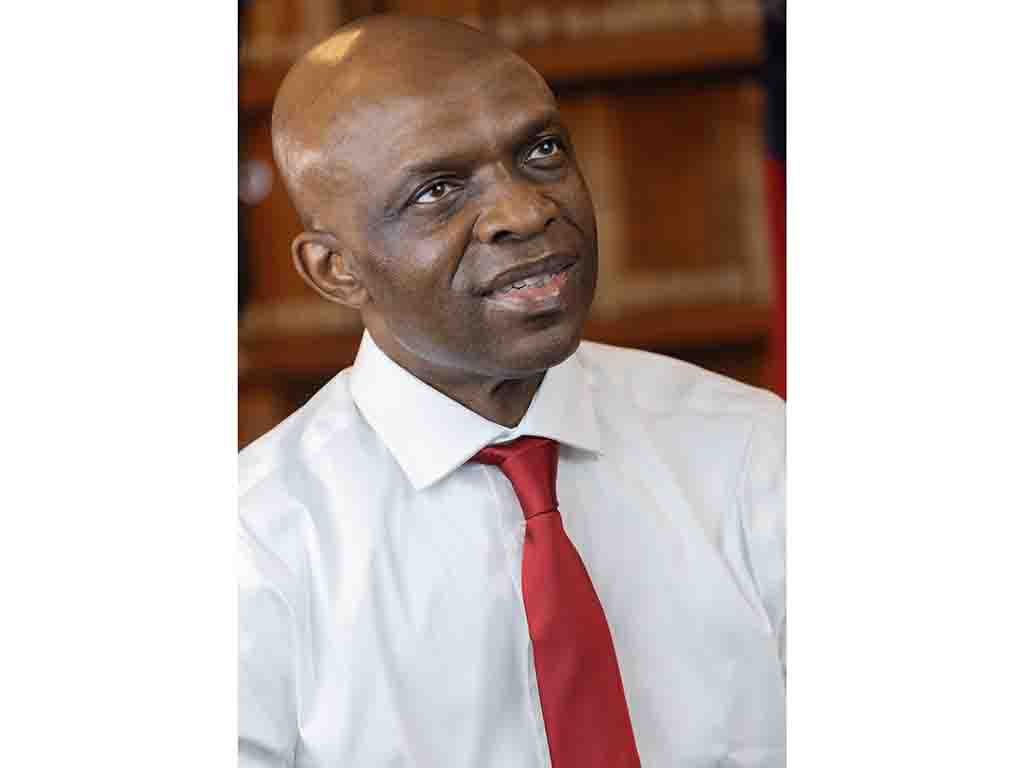
Tom Grech is the president and CEO of the Queens Chamber of Commerce. He is committed to a thriving tech ecosystem in New York City.