New York’s economy rises and falls with its small businesses. We are ready to invest, hire and grow here. But Albany must see us not just as industries to regulate, but as partners to empower. That means fewer well-intentioned but costly mandates and more room for businesses to operate and flourish.
Running a small business in New York isn’t for the faint of heart. Even major companies have found it hard to survive here. Unlike many large corporations, though, small businesses can’t simply pick up and move. We’re run by your neighbors, your friends and your family members — people deeply rooted in their communities. This is our home.
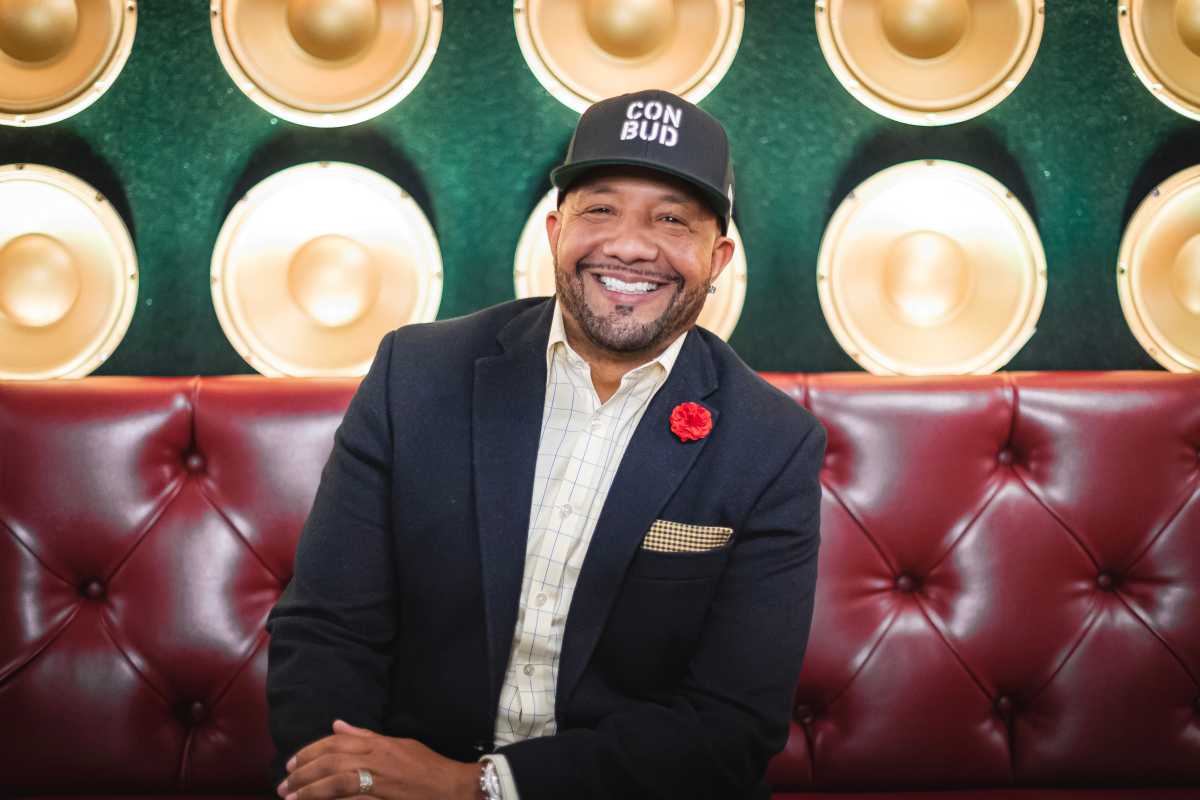
Across New York, small businesses make up 98 percent of all businesses and employ 40 percent of the state’s private-sector workforce. We’re not just a part of the machine, we are the engine. I’ve spent my career working in government and economic development, and today I co-own several Bronx establishments — Bronx Drafthouse, Beatstro and Brick and Hops — along with a legal cannabis business operating in one of the most heavily regulated new industries in the state. From that vantage point, I can say plainly: the view from inside a small business is very different from the view inside government.
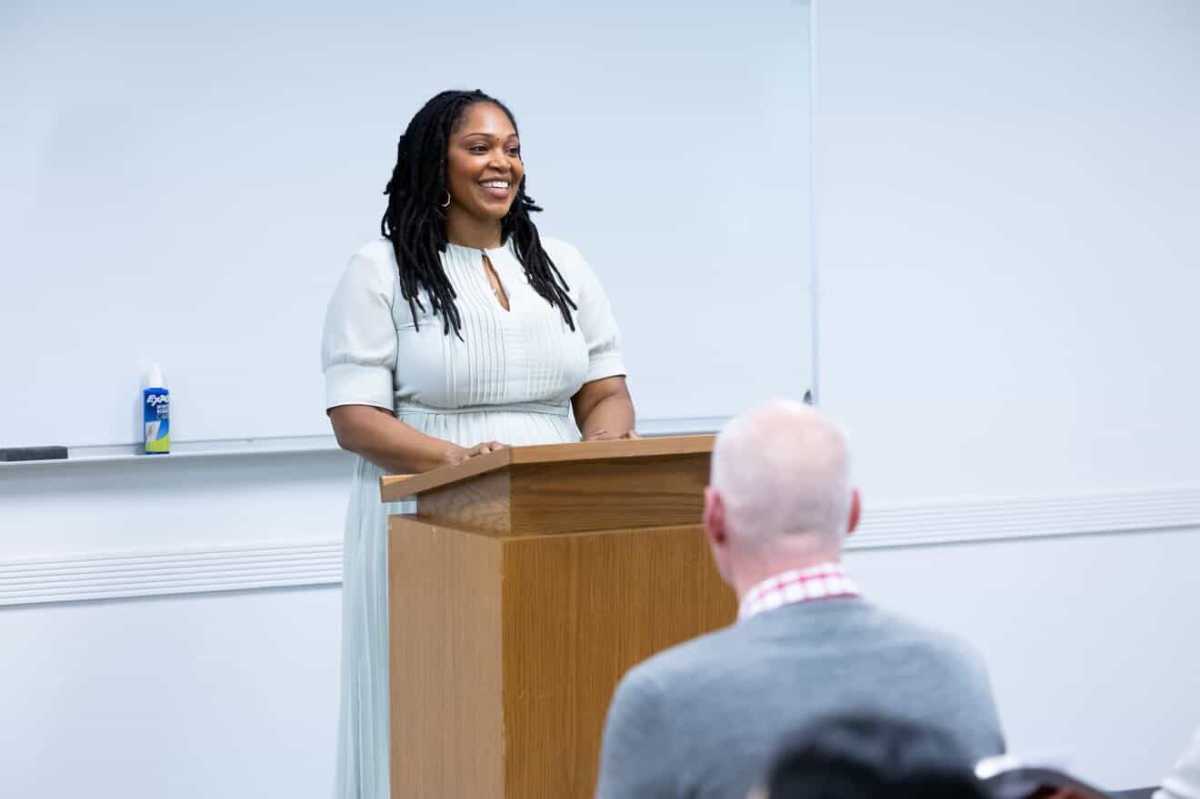
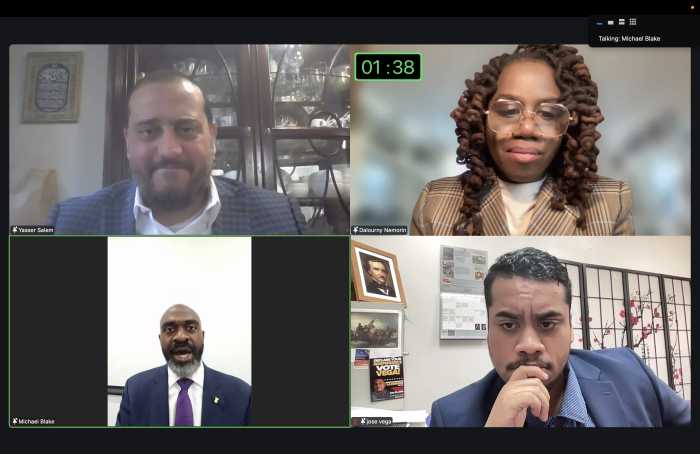
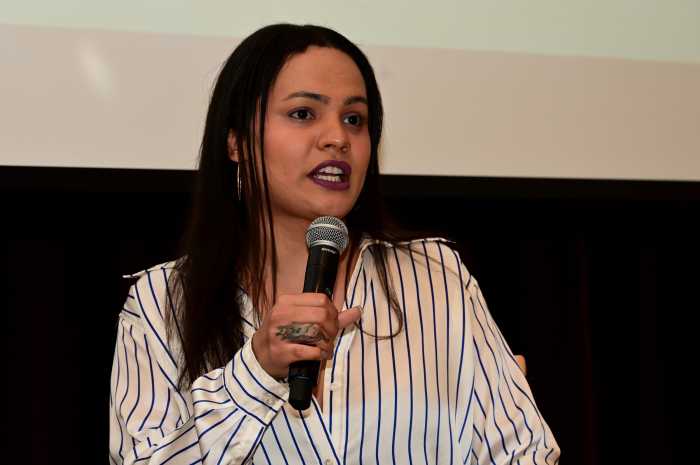
Recently, I joined fellow business leaders and Assembly Member Alex Bores on a panel discussion in Albany to discuss the roadblocks facing employers across the state. What we heard again and again was not that small businesses are looking for handouts, we’re looking for room to breathe. As Ashley Ranslow of the National Federation of Independent Business said during the panel, sometimes lawmakers just need to “get out of the way.” In a state where more than 24,000 bills are introduced in a single session, it can feel like every turn brings a new mandate, fine or compliance burden.
Business owners across industries are living with the cumulative weight of regulation. In my own businesses, from hospitality to legal cannabis, that pressure shows up as constant uncertainty: another inspection, another lawsuit, another costly requirement. Even in industries that should represent opportunity, delays and bureaucratic missteps can slow investment and make it harder for legitimate operators to succeed.
New York had a chance to get emerging sectors like cannabis right from the start. Instead, as I said at the event, it has often felt like “lawsuit after lawsuit, misstep after misstep.” When regulation is inconsistent or poorly executed, it doesn’t just frustrate business owners — it fuels illicit markets, undermines responsible operators and diverts revenue away from the communities policymakers are trying to support. And that experience is not unique to one industry. When systems don’t work smoothly or predictably, small businesses across New York pay the price.
The broader tax and regulatory landscape makes that work even harder. A 2024 index ranked New York second to last in business tax climate, driven by some of the highest income, property and sales taxes in the country. Our state also has more than 300,000 regulatory restrictions on the books. And now, the state is considering another mandate – the NY AI Act – which would force small businesses to pay upwards of $20,000 annually to audit technology integral to our operations and customer satisfaction. It is no wonder that a recent survey found that only 2 percent of business leaders believe Albany represents their interests, and just 3 percent feel lawmakers understand and support their businesses. These numbers should concern all of us. We simply cannot afford the endless flow of new requirements.
Governor Hochul has taken steps to review outdated or overly burdensome regulations, and Assembly Member Bores has proposed using artificial intelligence to identify obsolete statutes that should be removed. These are promising first steps. But real relief will require sustained focus and follow-through. The cumulative effect of well-intentioned legislation can be suffocating for small operators without compliance teams or in-house counsel.
We don’t need special treatment. We need a government that recognizes small businesses as partners in economic growth, not obstacles to be regulated at every turn. If the cost of doing business continues to rise, entrepreneurs will make hard choices and communities like the Bronx that rely on locally rooted employers will feel the consequences.
New York’s small businesses are ready to invest in this state and in our neighborhoods. Albany should make it easier to build something here — not harder.
Alfredo Angueira is a Bronx-based attorney, restaurateur and small business owner who co-owns several community-focused establishments and a legal cannabis business, and previously served in economic development and government roles in New York City and with the State.