Across New York State, runaway and homeless youth (RHY) providers are facing a dangerous convergence of pressures. Federal youth housing resources are being eliminated. Local voucher access has narrowed. Supportive housing development has slowed. And now, both state and city budgets are tightening at the very moment that youth homelessness is rising.
If New York fails to act decisively this year, thousands of young people will pay the price.
Runaway and Homeless Youth programs are the backbone of New York’s youth homelessness response system, which serves individuals ages 16 to 24. These vital programs provide emergency shelter, transitional housing, mental health support, workforce development, and stabilization for young people who have been rejected by family, aged out of foster care, or escaped unsafe environments.
There are currently only 1,314 certified RHY beds across the entire state and they are located in just 28 counties. In 34 counties in New York State there are no youth-specific shelters at all. Even before recent funding threats, nearly 2,000 young people were turned away from RHY beds in a single year due to lack of capacity. The shortage is even more clear in the waiting lists. Providers estimate that between 400 and 450 young people are currently waiting for placement in RHY housing programs across the state, and many of them are forced to remain in unstable or unsafe living situations while they wait for an opening.
Yet the state continues to fund these programs at rates that do not reflect the real cost of care. The Executive Budget includes $8.4 million for RHY programs. The Ali Forney Center is one of many providers urging the state to begin a multi-year plan to bring total RHY funding to approximately $30 million, a level that would begin to align per-bed rates with the real cost of operating safe and effective programs.
Taking this step over several budget cycles would stabilize existing programs, protect services from federal disinvestment, and expand capacity responsibly. Current bed rates fail to account for inflation, rising insurance and utility costs, increased staffing needs, and the growing complexity of youth mental health needs. Providers have absorbed these shortfalls for years, often paying tens of thousands of dollars more per bed than they receive in state support.
At the same time, federal cuts are compounding the crisis. The elimination of Family and Youth Services Bureau funding removes $250,000 per program from upstate RHY programs alone — funding that will not be replaced under current proposals.
Meanwhile, youth homelessness is increasing. The most recent federal data shows New York now has the second-highest number of youth and young adults experiencing homelessness in the nation. Unaccompanied youth homelessness rose more than 70% in a single year.
The result is a system under severe strain, particularly in New York City, where young people from across the state often end up when youth-specific services are unavailable in their home communities.
The longer youth remain in unstable shelter settings, the harder it becomes for them to achieve independence. Limited supportive housing stock, a 1.4% rental vacancy rate in New York City, and the loss of key voucher pathways have created a bottleneck that traps young people in temporary housing longer than intended — blocking new youth from accessing beds.
And these numbers do not capture the lived reality of LGBTQIA+ youth, who are disproportionately represented in the homeless population. Across the state, roughly one-third of runaway and homeless youth identify as LGBTQIA+. When youth-specific shelter is unavailable, young people are pushed into adult shelter systems — environments that are often developmentally inappropriate and unsafe. For LGBTQIA+ youth in particular, adult shelters can mean exposure to harassment, violence, and retraumatization.
Investing in Runaway and Homeless Youth programs is not just the right thing to do; it is the fiscally responsible choice. When communities fail to fund housing and supportive services, the costs do not disappear. They shift to far more expensive systems. Without stable housing, case management, and mental health support, young people are far more likely to cycle through emergency rooms, inpatient hospital stays, crisis response services, and, tragically, the criminal legal system. Each of these interventions costs significantly more than prevention and stabilization. A single hospitalization can cost thousands of dollars per admission, while incarcerating a young person can reach tens of thousands of dollars per year per individual.
At the same time, the long-term consequences compound costs by disrupting education, reducing workforce participation, causing chronic health issues, and prolonging instability. Investing in RHY housing and wraparound services stabilizes youth earlier, reduces reliance on emergency systems, and improves long-term outcomes for health, employment, and public safety. The real question is not whether we pay, but whether we invest upfront in solutions that work or continue paying far more later through hospitals, jails, and crisis systems.
Dedicating approximately $30 million in total funding over the coming years represents a modest investment in a system that serves thousands of youth each year and prevents far more expensive downstream outcomes.
New York has long positioned itself as a national leader on LGBTQIA+ rights, child welfare reform, and homelessness prevention. We have the opportunity this budget cycle to strengthen the foundation of youth homelessness services, protect programs from federal disinvestment, and ensure that no young person is forced into unsafe or inappropriate shelter due to underfunding.
The question is simple: Will New York meet this moment?
Young people across our state are watching.
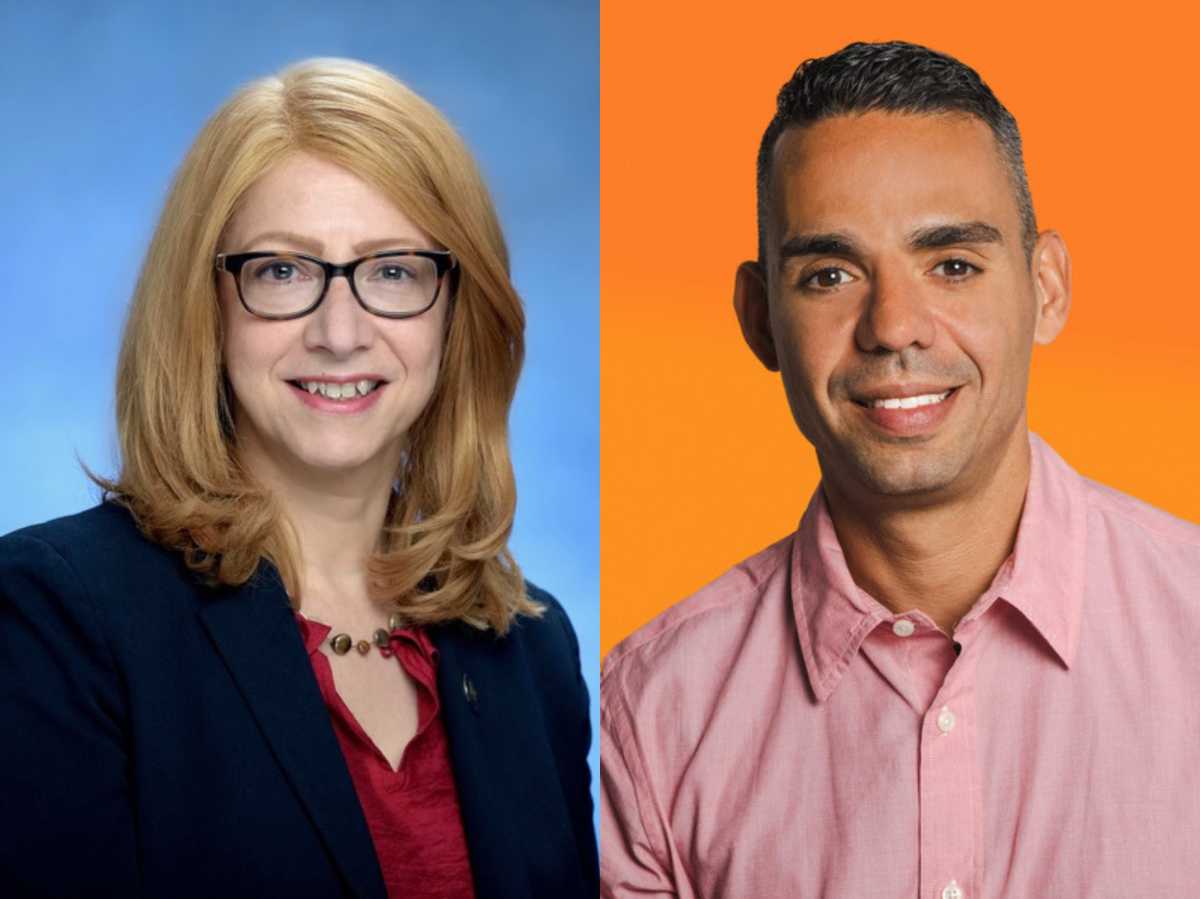
Assemblymember Linda B. Rosenthal represents the 67th Assembly District, which includes the Upper West Side and parts of Hell’s Kitchen. She is a lifelong resident of the Upper West Side and serves as Chair of the Assembly Housing Committee. Since taking office in 2006, Assemblymember Rosenthal has passed more than 200 laws that have helped to improve the lives of all New York State residents. In previous sessions, Rosenthal has passed laws including the Child Victims Act and Adult Survivors Act to provide survivors of sexual abuse an opportunity to bring previously time-barred cases, legislation protecting victims of domestic violence, furthering reproductive rights and menstrual equity, advancing consumer protection, environmental protection and animal welfare.
Alexander Roque’s career in the non-profit sector has been marked by transformative leadership, innovative program design, and strategic capacity building. From 2011 to 2019, Alex spearheaded fundraising and capacity-building efforts at the Ali Forney Center (AFC), significantly contributing to the organization’s growth. In 2020, Alex was named President and Executive Director. In this role, he has developed groundbreaking models to eliminate barriers to care, including a pioneering residential treatment program that addresses both housing and mental health needs for LGBTQ youth. Since 2011, under Alex’s leadership, AFC’s budget has expanded from $3.5 million to $30 million, enabling the center to meet the growing needs of LGBTQ youth.