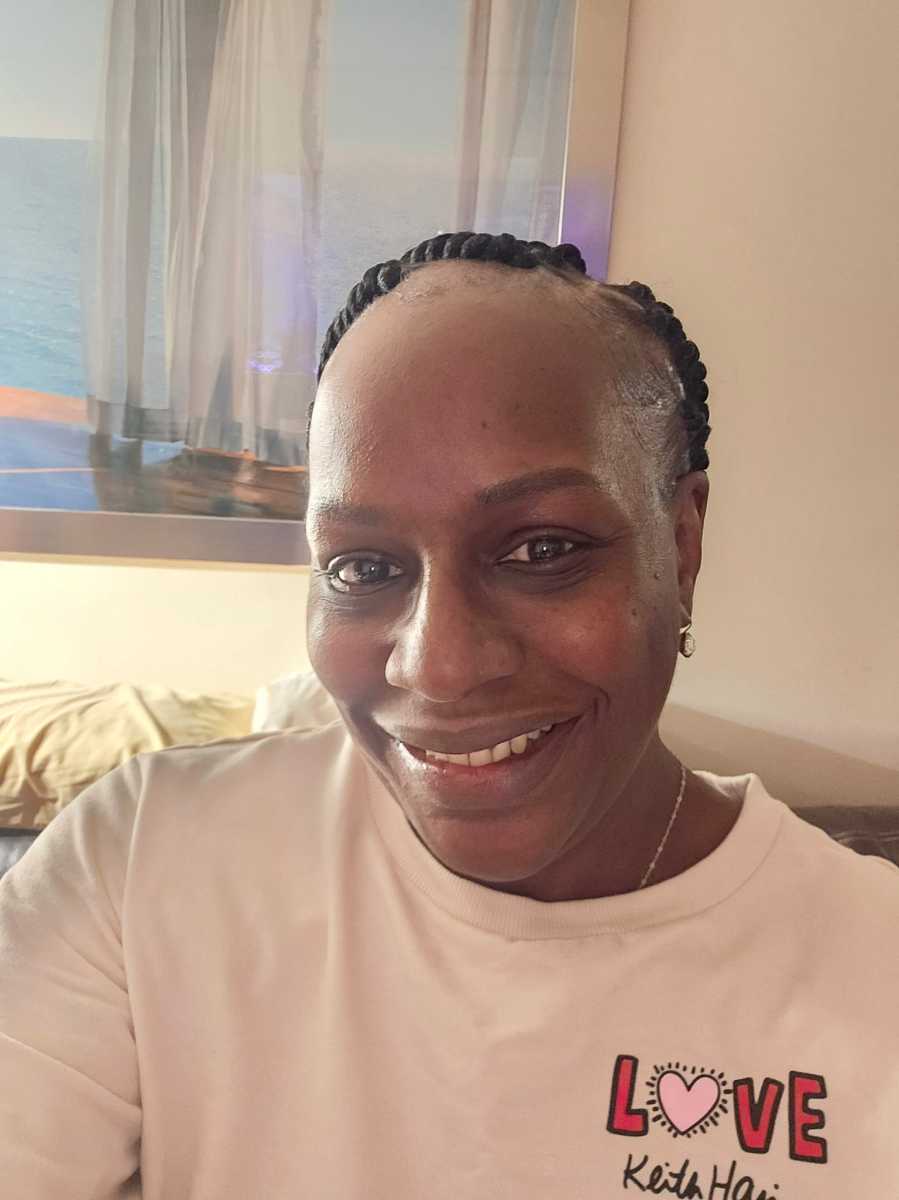
Growing up in Harlem in the 1980’s and 1990’s, I know firsthand how difficult it can be to overcome systemic barriers and carve out a path to success. Countless times, I have seen friends and neighbors start out with best intentions, only to get sidetracked by obstacles in their way. As a small business owner, I am especially wary of ideas that may sound good at first blush, but are layered with unintended consequences.
That’s how I feel about legislation currently under consideration in Albany – the Packaging Reduction and Recycling Infrastructure Act. It sounds good at first, but it would be a disaster for small business owners like me.
The bill is being promoted as a solution to our waste and recycling challenges, but its real-world consequences tell a very different story. The bill sets aggressive and unrealistic packaging reduction mandates, creates costly requirements for businesses with revenues over $1 million, and pushes sweeping packaging bans that will drive up costs and unleash a stream of negative consequences – especially for cafés and small restaurant operators who are already struggling to make it in the very communities the bill claims to help. For those of us not yet at that $1 million level, eco-friendly packaging is extraordinarily expensive. Businesses have to pay for a private waste carter, who charge extra to pick up recycling disposals which are also financially burdensome.
The costs alone should give lawmakers pause. Estimates suggest this bill could raise household costs by more than $600 per year. At a time when families are already struggling with inflation, housing pressures, and a long-term affordability crisis, this added burden is unsustainable. Manufacturers will not absorb these costs; they will pass them down the supply chain. That means higher prices at bodegas, grocery stores, cafés, and restaurants – places that low-income New Yorkers rely on every single day.
As a café owner, I can tell you firsthand that we operate on razor-thin margins. We do not have warehouses to store alternative packaging. We do not have teams of lawyers to navigate new compliance rules. Packaging redesign mandates, bulk sales requirements, and reporting obligations may sound manageable in theory, but in practice they threaten the viability of small businesses. Immigrant- and minority-owned shops – cornerstones of neighborhoods like Harlem — will be hit hardest, risking closures, job losses, and reduced inventory.
The bill would also harm non-profits like Featuring The Center for Culinary Arts, the organization I founded five years ago to provide food and hospitality training and employment opportunities to people in challenging circumstances, including those formerly incarcerated. Increased operating costs mean fewer resources for training, fewer jobs created, and fewer lives stabilized. We can be good individually, but together we can make tangible impacts – and this legislation undermines that collective effort.
The act could also force many food products off shelves entirely due to new mandates and restrictions, while simultaneously leading to the shutdown of advanced recycling facilities that are critical to reducing waste in the future. That is not environmental progress – it is policy contradiction.
I believe deeply in environmental responsibility. I also believe in smart, workable solutions that do not sacrifice small businesses, non-profits, and working families in the process. New York deserves policies that balance sustainability with economic reality, not mandates that look good on paper but fail our communities in practice.
I survived because I found purpose, structure, and opportunity. Small businesses and community organizations provide that same lifeline every day across this state. Legislators should stand with us – not against us – by opposing the Packaging Reduction and Recycling Infrastructure Act.
Arnyce Foster-Hernandez is the owner of Featuring The Café on 135th Street in Harlem, and founder of Featuring The Center for Culinary Arts.