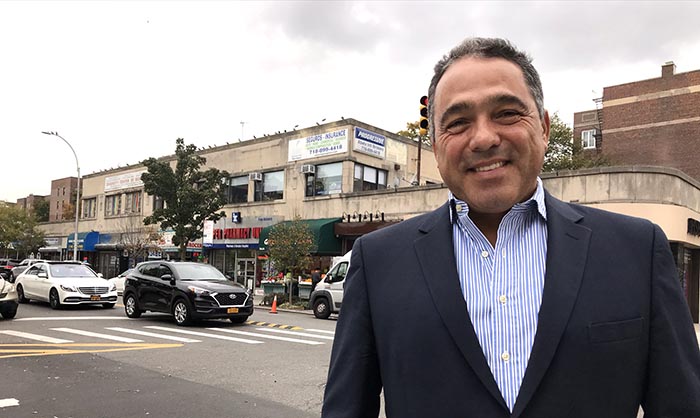
As a bitter cold winter continues to grip New York, energy costs are on the rise and climbing fast. Residential electricity rates have increased more than 30% since 2020, doubling the rate of inflation. And almost nowhere are these soaring costs felt more than in Queens. In Queens County, the average monthly electric bill is $251.64, which is over 50% higher than the statewide average. Those prices weigh heavily on families and small businesses, especially in our Hispanic and Latino communities.
A new Progressive Policy Institute report reveals that Latino households are nearly twice as likely to experience energy insecurity. When restrictive policies prioritize ambitious climate goals over affordability, they perpetuate barriers to clean, affordable energy and prolong long-standing underinvestment in modern grid infrastructure. These choices have real consequences for small businesses and families.
That’s why lawmakers need to rethink New York’s energy policies by balancing clean energy mandates with cost and reliability — so residents and businesses aren’t left paying the price for an unreliable, unaffordable system.
Queens County residents can expect to pay $138,900 on their electric bills over the next 25 years. Driven by electricity rates that are 61% higher than average, these bills regularly force business owners to make painful financial decisions, like increasing prices or cutting back on staff hours.
But why are energy bills skyrocketing? Unfortunately, New York’s energy policies play a significant role. To lower emissions, our elected officials have set lofty goals for an expedited transition to zero-emissions energy sources. And while I support efforts to reduce pollution, an energy transition shouldn’t come at the expense of financial stability for our communities. Yet, that’s exactly what New York’s current approach does.
Lawmakers set overly ambitious targets and aim to phase out reliable energy sources before replacements are ready. As a result, New York’s energy grid is stretched to its limits, leading to reliability shortfalls and surging electricity prices. For communities in Queens, these rising costs are especially painful. You can’t run neighborhood businesses without dependable, affordable power — and when these businesses close, they often take a portion of their community’s identity with them.
Every reasonable person wants a healthy and safe environment for future generations, but our approach to achieving that goal must be realistic. We can move toward a cleaner world without sacrificing our local businesses and the character of our neighborhoods — and pursuing a balanced energy policy is how we do that. That means maintaining a sustainable mix of traditional sources like natural gas with renewables and emerging technologies.
If we want New York to remain the culturally diverse, opportunity-filled city it has always been, we need energy policies that work for everyone. Lawmakers should truly focus on affordability to allow small businesses to grow, families to stay rooted, and our neighborhoods to keep their character. It’s time for Albany politicians to chart a path that broadens our energy portfolio, reduces the cost of living, and safeguards all the characteristics that make Queens a vibrant place to live and do business.
Eduardo Giraldo is the president of the Hispanic Chamber of Commerce of Queens.