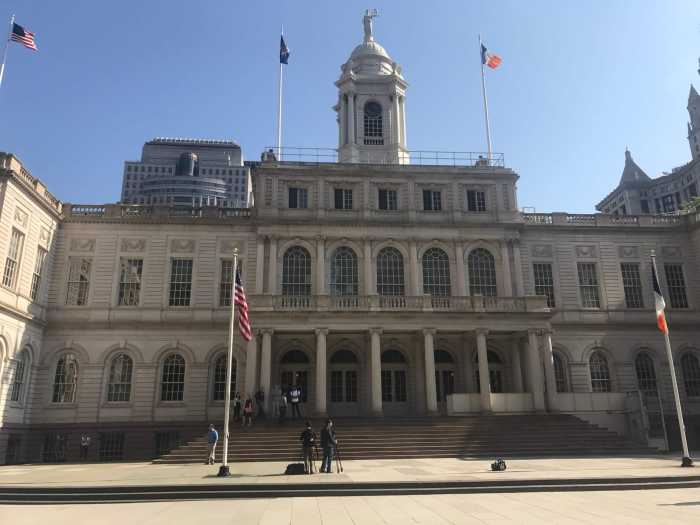

With Julie Menin now serving as Speaker of the City Council, a new chapter has begun at City Hall, and with it, a clear test of the Council’s priorities. Affordability and housing issues dominated this November’s election, and voters sent a message that the status quo is no longer acceptable. Yet even as the need for action grows more urgent, questions remain about how much authority the Council will have to drive new housing policy after a series of ballot measures appeared to weaken its hand.
Yet here’s one thing a Menin-led Council can do to address the housing crisis right away: acknowledge the impact of the intertwined climate crisis and start passing laws to safeguard existing and future units from the risk of flooding. The incoming Speaker and Council can send a message in its early months that it’s ready to deliver a safe and affordable future for New York City.
This may not seem like the most pressing issue, but consider how many New Yorkers are at risk of losing their home due to floods. More than 40,000 New Yorkers may lose their homes to coastal flooding by 2040, and projections show that nearly 100,000 people could be at risk by 2070. Meanwhile, the city is already short about 540,000 homes. We are falling behind on construction as we simultaneously watch parts of our existing housing stock edge closer into the sea.
New York is a city of islands, and a rising storm surge does not care what zip code you’re in. NYCHA buildings in East New York and mansions in Mill Basin are not spared when 100-year storms, which are increasingly commonplace in the city, roll into town. The same is true for the rent-stabilized units of Stuytown and the apartment towers of Yorkville. Something has to change.
Thankfully, the incoming City Council would not have to start from scratch. Environmental Defense Fund, the Regional Plan Association, and the Association for Neighborhood Housing & Development recently released a roadmap for how the City can jointly address the threats of climate change and one of the worst housing crises in American history. As this Council figures out what its legislative priorities are over the next month, Policy Solutions for the Climate and Housing Crisis in New York City: Safe Housing for Ensuring Long Term Resilience (SHELTR) provides instant actions the body can take right away to safeguard communities.
First, New York needs a unified land-use framework. The ties between flood risks, housing, and infrastructure require a single, comprehensive framework — one that integrates land use with climate impacts and long-term housing needs. But future planning must be matched with actions to protect whatever housing stock we currently have.
That is why the SHELTR report recommends a centralized retrofit assistance program. The current system is convoluted and difficult for homeowners to navigate, we have to develop a platform that is simple for owners, developers and tenants to access. If these systems continue to be decentralized and innavigable, we won’t be able to bolster our housing to withstand future flooding.
SHELTR also emphasizes how the city can prevent another form of displacement, due to unaffordability, as we accelerate development in lower-risk areas. This Council can and should install guardrails to prevent speculative property flipping, strengthen community and tenant ownership, and establish a right of first refusal when buildings go up for sale.
Finally, all of this work — retrofits, buyouts, green infrastructure, and coastal protections — needs a dedicated revenue stream. New York City finds itself in a moment when the federal government has once again thrown up its hands and covered its ears to the realities of climate change. Especially absent dollars coming from Washington, New York City must centralize its piecemeal approach to both forward-looking resiliency and being in a state of good repair.
Council Member Menin has already displayed the experience and the focus on these issues. As Chair of Manhattan Community Board 1 after Hurricane Sandy, she not only spearheaded relief efforts in Lower Manhattan but offered concrete solutions to better respond to disasters.
Now, in one of the highest seats of power for the City of New York, she has the experience and the capability to go further. The recommendations in SHELTR are built on stakeholder feedback to create tangible things the City can do to safeguard both existing and future housing. For New York City to survive, thrive, and once again be the leader in housing, it will need the Council to codify policies like these.
The incoming Speaker can send a message by doing it in 2026.
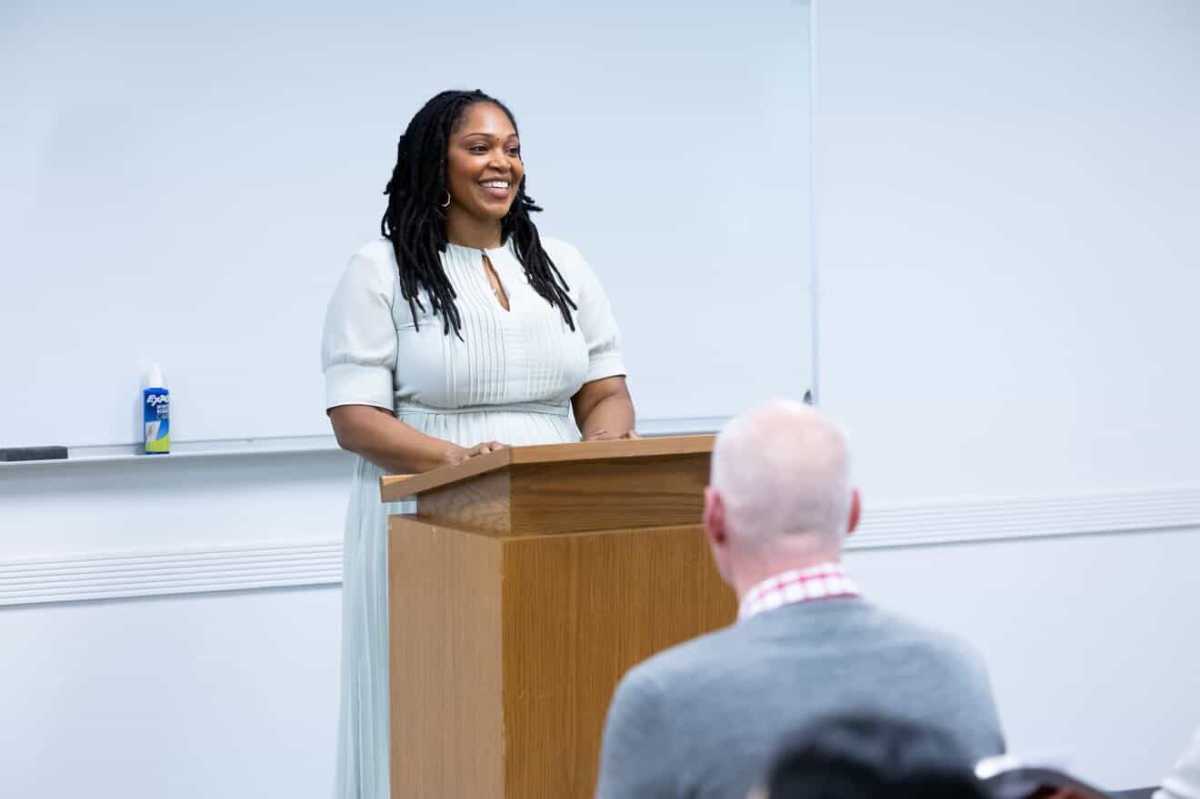
Karla Sosa, PhD, is a Project Manager for EDF’s New York – New Jersey State Affairs team, overseeing the intersection of policy, research and outreach.