New York City and Long Island are becoming increasingly unaffordable, with minority-owned businesses and their customers among the hardest hit. Rising costs are straining nearly every aspect of life, and surging healthcare prices are adding pressure across the economy. While healthcare affordability is influenced by many complex factors, I’m encouraged our elected officials are beginning to focus on bloated government programs that often escape scrutiny in these conversations. Unfortunately, at the same time, other lawmakers are pushing bills with the potential to increase costs and further expand out-of-control federal programs.
The National Black Caucus of State Legislators is calling for stronger oversight of the federal 340B Drug Pricing Program, and locally, State Senator Siela Bynoe (D – Garden City) is championing legislation to increase transparency and mandate reporting on how this program operates in New York. These efforts offer common-sense solutions to reform a well-intentioned policy that has grown far beyond what Congress intended.
Despite these commendable efforts, the New York State Legislature is set to advance legislation that is at odds with NBCSL’s recommendations and Senator Bynoe’s call for transparency. The bill would limit the state’s ability to implement guardrails on the 340B program while failing to include any oversight and address the unintended consequences for healthcare costs and independent practices.
The 340B program was created in 1992 to serve as a lifeline for low-income patients by allowing qualifying hospitals and clinics to purchase discounted medications. Over time, 340B has expanded into a $66 billion program, and concerns are growing that it may encourage large healthcare systems to acquire smaller practices and engage in behaviors that can increase costs for individual, government, and employer-sponsored health plans. Even worse, there is limited evidence that the program’s benefits even reach the communities it was designed to help.
Rather than passing along savings from 340B discounts to low-income patients, large hospitals often purchase medicines at discounted rates but charge health plans full price. Many participating healthcare facilities are also located in affluent areas rather than medically underserved urban and rural communities, raising questions about whether the program is operating as intended.
That is why Senator Bynoe’s legislation is so important. Increasing reporting and accountability will help ensure the program is functioning as it was meant to. NBCSL’s Policy Resolution on this issue urges Congress to fund the Health Resources and Services Administration’s audit capabilities, so regulators can better verify whether healthcare systems are providing discounted drugs to low-income patients. In its resolution, NBCSL boosts efforts to expand charity care and calls for practical reforms to ensure the program better serves the most vulnerable communities.
Reforming the 340B Drug Pricing Program will help it fulfill its original purpose and improve access to affordable medications for those who need them most. Lawmakers should continue working toward practical solutions that promote transparency and accountability while improving patient care and lowering costs.
There are many factors leading to high medical bills and insurance premiums, and 340B is only one piece of the puzzle. But policymakers should focus on bringing down costs wherever possible. At a time when New York families — especially in our Black and Brown communities — are struggling in a difficult economy, every dollar counts.
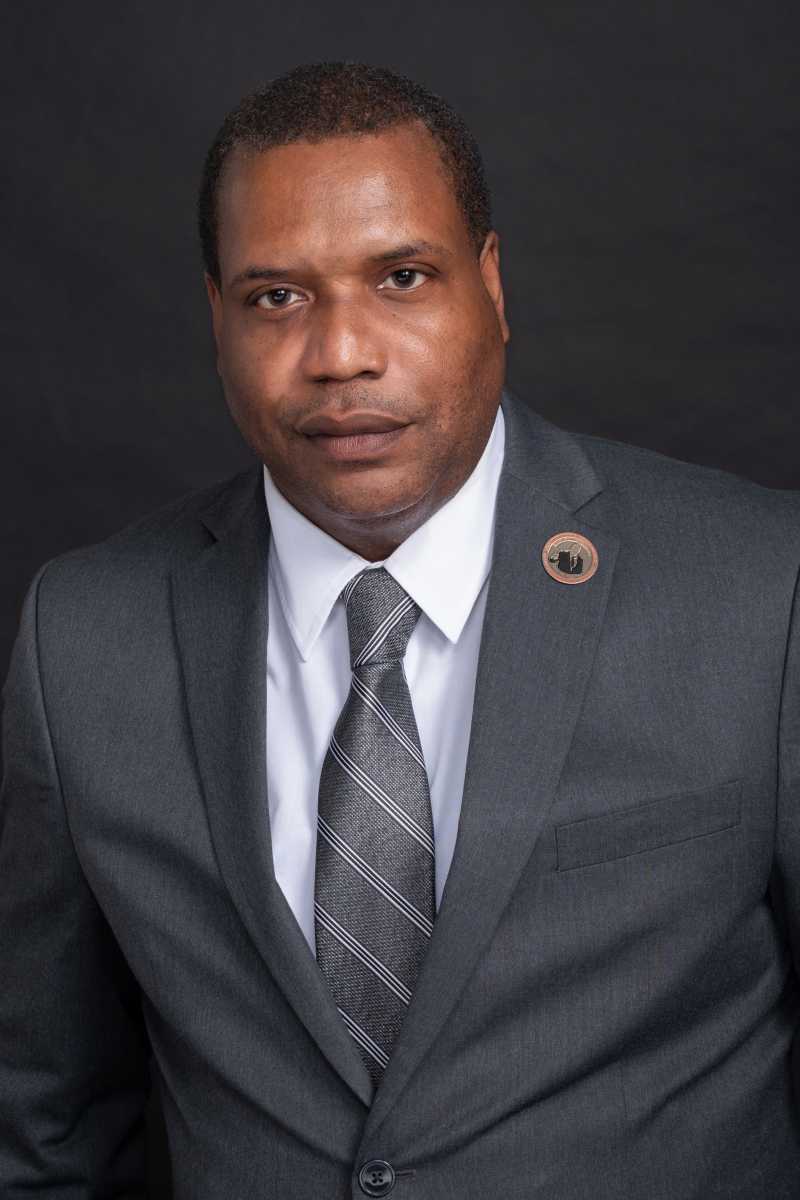
Phil Andrews is president of the Long Island African American Chamber of Commerce and founding president of the New York City Minority Small Business Chamber of Commerce.