Con Edison awarded $22 million in grants in 2025 to help New Yorkers tackle climate change, funding projects from restoring fire-damaged Prospect Park to training New Yorkers for green energy careers.
Con Edison has donated these grants to non-profit and community organizations, focusing on three key areas: protecting natural ecosystems, developing clean energy workforce skills, and advancing social justice initiatives.
The company’s focused approach provides non-profit organizations across the five boroughs and Westchester County with the resources they need to tackle the impacts of climate challenges in their own communities.
“These grants demonstrate how protecting the environment and creating good jobs work together to build stronger more equitable communities,” said Jen Hensley, senior vice president of Corporate Affairs at Con Edison.
Environmental Resilience
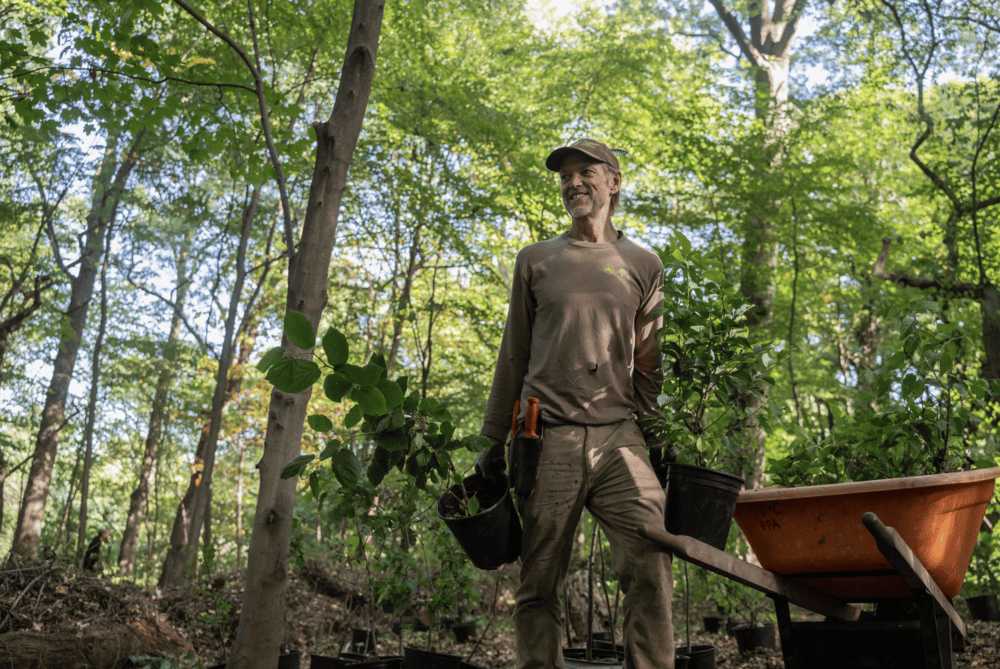
Leading environmental protection efforts, Prospect Park Alliance is using a Con Edison grant to combat climate threats in Brooklyn’s largest park. Following last year’s two-acre woodland fire, the Alliance is revitalizing 130 acres with drought-resistant plantings and innovative flood control measures in the borough’s last remaining upland forest.

“This is about more than just restoring green space,” said Morgan Monaco, Prospect Park Alliance President. “We’re building environmental resilience to protect our community’s natural resources for generations to come.”
Con Edison’s climate adaptation and mitigation grants focus on protecting and enhancing green spaces, waterways, and biodiversity across the five boroughs and Westchester. This year’s projects will help preserve 1,900 acres of green space, creating natural buffers against extreme weather events.

Workforce Development
The second pillar focuses on preparing New Yorkers for the clean energy economy. The Doe Fund’s Ready, Willing & Able program exemplifies this approach, offering HVAC career training to adults experiencing homelessness.
“We’re not just training workers – we’re building careers,” said Irene Branche, Senior VP of External Affairs at The Doe Fund. “Our HVAC program achieves an 85 percent completion rate, preparing participants for sustainable careers in building decarbonization.”
Con Edison’s workforce initiative grants will train 1,800 individuals in clean energy careers, while also providing career exploration opportunities for youth to learn about emerging green jobs. The program combines practical skills training with industry certifications, creating clear pathways to employment.
Social Justice and Community Resilience
The third pillar addresses social equity through community-driven climate solutions. The Good Old Lower East Side (GOLES) is transforming the Baruch Bathhouse—an abandoned historic site—into a climate-resilient community hub, making it a safe and equitable-use greenspace park for the Lower East Side neighborhood.
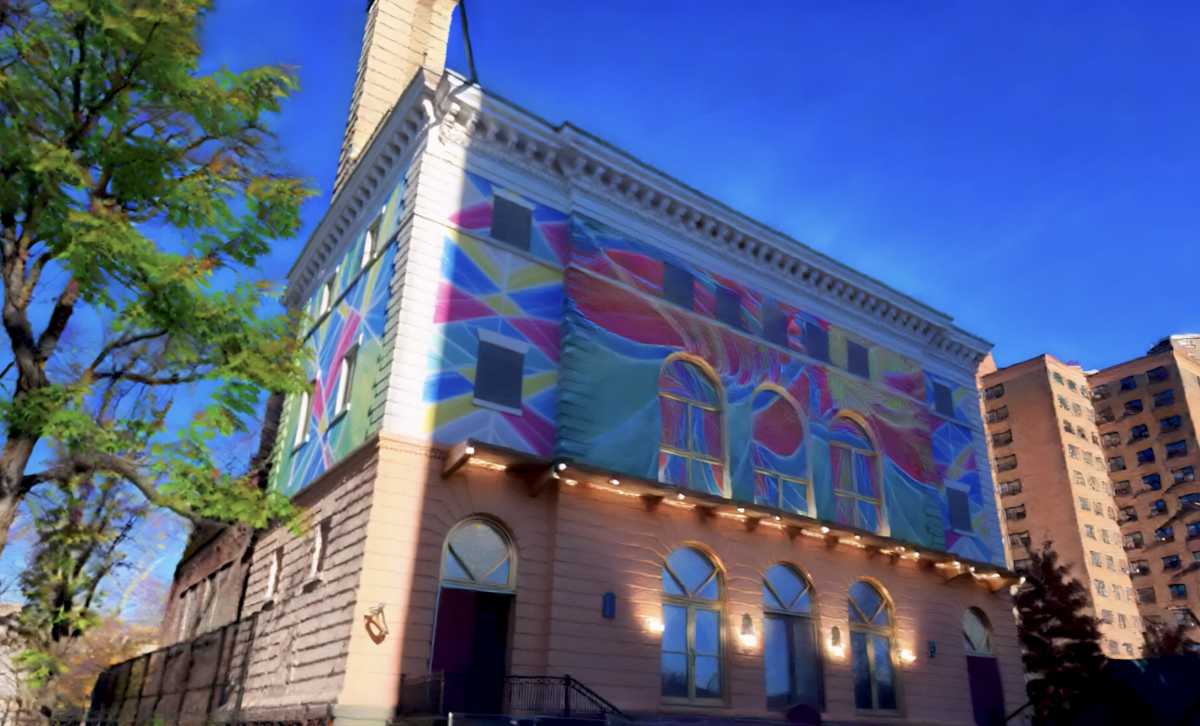
“This is about giving communities the tools to shape their own climate solutions,” said Damaris Reyes, Executive Director of GOLES. “We’re building both physical infrastructure and community leadership.”
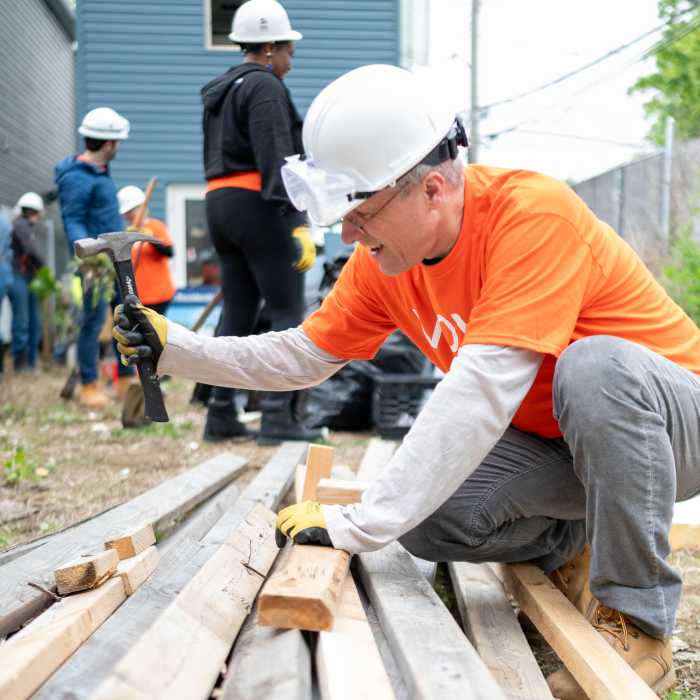
Through the Consolidated Edison Foundation, an additional $1.1 million supports energy affordability initiatives, including a landmark $750,000 grant to Habitat for Humanity’s Community Development Financial Institution.
“This investment helps ensure affordable housing is also energy efficient,” said Sabrina Lippman, CEO of Habitat for Humanity NYC and Westchester County. “It’s about making sustainable living accessible to everyone.”
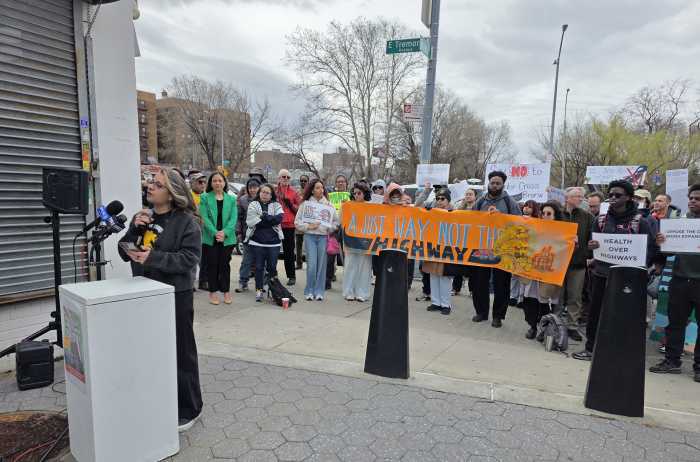
The social justice grants fund advocacy training and leadership development, empowering New Yorkers to participate in climate policy decisions affecting their communities.
Programs include:
● Community organizing workshops
● Climate advocacy training
● Energy affordability initiatives
The corporate grants were selected from over 300 submissions. “When we talk about resilience, we mean more than just protecting physical infrastructure,” said Hensley. “True resilience comes from strong communities with the tools, training, and resources to meet tomorrow’s challenges.”
For more information, go to Community Partnerships | Con Edison.